NZ is finally moving on modern slavery law. What can we learn from Australia?
- Written by: Weekend Times
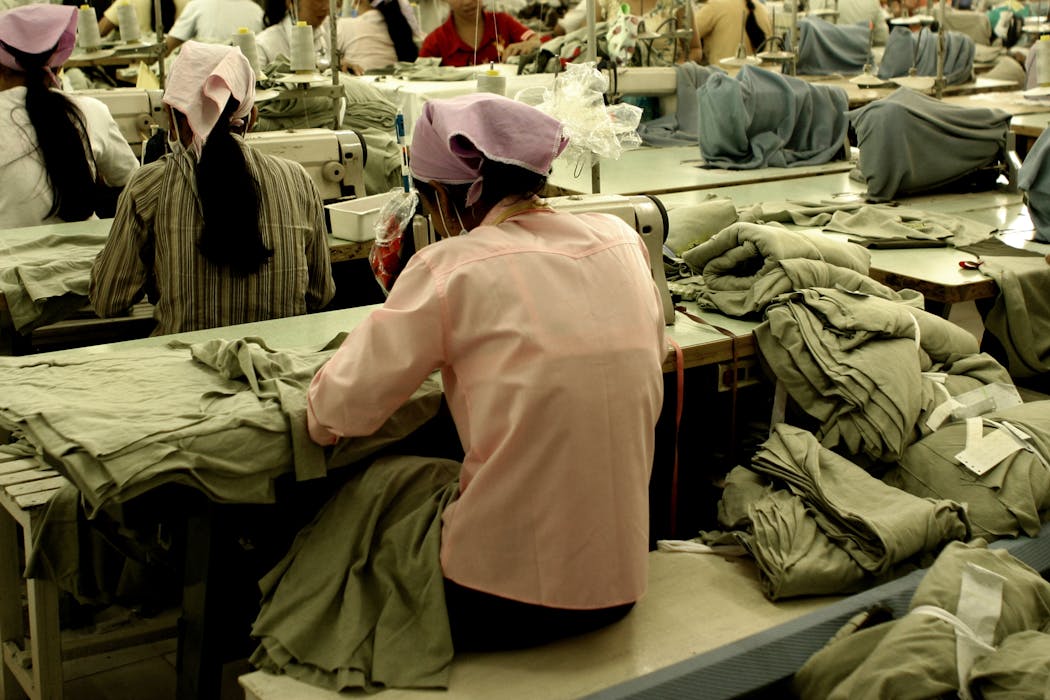
New Zealand is poised to pass laws requiring large companies to publicly report on the risk of modern slavery in their operations and supply chains.
With Parliament’s Education and
Workforce Committee having recommended the Modern Slavery Bill be passed, New Zealand could soon have a new regulatory lever to help tackle what is a growing global problem.
Other countries have long since moved. The United Kingdom introduced supply-chain reporting requirements more than a decade ago, Australia followed in 2019 and Canada in 2024.
What these laws seek to address can take many forms – from slavery, servitude and child labour to people trafficking, sexual exploitation, coerced marriage and debt bondage.
But the common thread of modern slavery is coercion: situations people cannot effectively leave. An employer might hold a worker’s passport, for instance, or a worker might incur large debts simply to secure a job, leaving them unable to walk away.
Globally, an estimated one in every 150 people is trapped in some form of modern slavery. And, much as we’d like to think it is something that happens elsewhere, New Zealand is not exempt.
An estimated 8,000 people are living in some form of modern slavery here. World Vision also estimates New Zealand households spend about $77 a week on goods at risk of having been produced using forced or child labour – nearly $8 billion a year.
But requiring companies to report on these risks is one thing. Whether those reports reveal anything meaningful is another.
Australia’s experience offers New Zealand a useful body of evidence to draw on. After analysing thousands of statements filed under Australia’s Modern Slavery Act, we found significant gaps in what companies disclose.
What 16,999 reports reveal
Under Australia’s laws, entities with at least A$100 million in consolidated revenue must report annually on modern slavery risks in their operations and supply chains.
They must explain what they are doing to address those risks – and whether those measures are working. Each statement is published on a public register.
New Zealand’s bill follows the Australian model closely but goes further.
Knowingly making a materially false statement could result in a fine of up to NZ$200,000, while companies that fail to meet their reporting obligations could face penalties of up to $600,000. Directors and senior managers could also be personally liable.
Australia is now also considering tougher measures, with a proposed new criminal offence for companies that fail to prevent modern slavery in their supply chains presently out for consultation.
In analysing 16,999 Australian statements, we used artificial intelligence to identify how each addressed the legal requirements. We then scored the responses from one (almost no relevant information) to seven (comprehensive coverage).
We found companies provide the most detail about their businesses, supply chains and the steps they have taken to address modern slavery risks. But they say much less about whether those measures are actually working.
Reporting is weakest when it comes to how companies work with businesses they own or control, including subsidiaries.
While Australia’s reporting has improved since 2019, we found comprehensive reporting against all the required criteria in fewer than one in 20 statements.
Australia’s lessons for New Zealand
Our findings point to several ways New Zealand could make its reporting regime more effective. One is that smaller and newer companies may need help with reporting, not just pressure to comply.
Larger organisations tend to address the reporting requirements more comprehensively, as do groups filing joint statements for several businesses. Reporting also improves with experience.
Publishing templates and worked examples before the first reporting period could help companies understand what substantive reporting looks like from the outset.
Our findings also suggest that asking companies a question does not guarantee a meaningful answer.
Australian companies are generally good at describing risks in their supply chains and the actions they have taken. They say less about whether those actions are working, and less still about how they work with businesses they own.
The box may be ticked, but the question is only partly answered. Disclosure is not the same as accountability, so guidance should make clear what a substantive answer looks like.
Finally, we found reporting was no better in industries with the highest modern slavery risks. Construction, farming and forestry, and hotels and restaurants perform no better than other industries.
This suggests generic questions can produce generic answers. Guidance should be tailored to particular industries – asking builders about subcontracting, growers about labour contractors, and fishing operators about who is working on their boats.
If the bill passes, New Zealand will get its reports. Whether those reports tell us much is another matter. Australia’s experience suggests it will depend heavily on the guidance sitting beneath the law.
The authors do not work for, consult, own shares in or receive funding from any company or organisation that would benefit from this article, and have disclosed no relevant affiliations beyond their academic appointment.