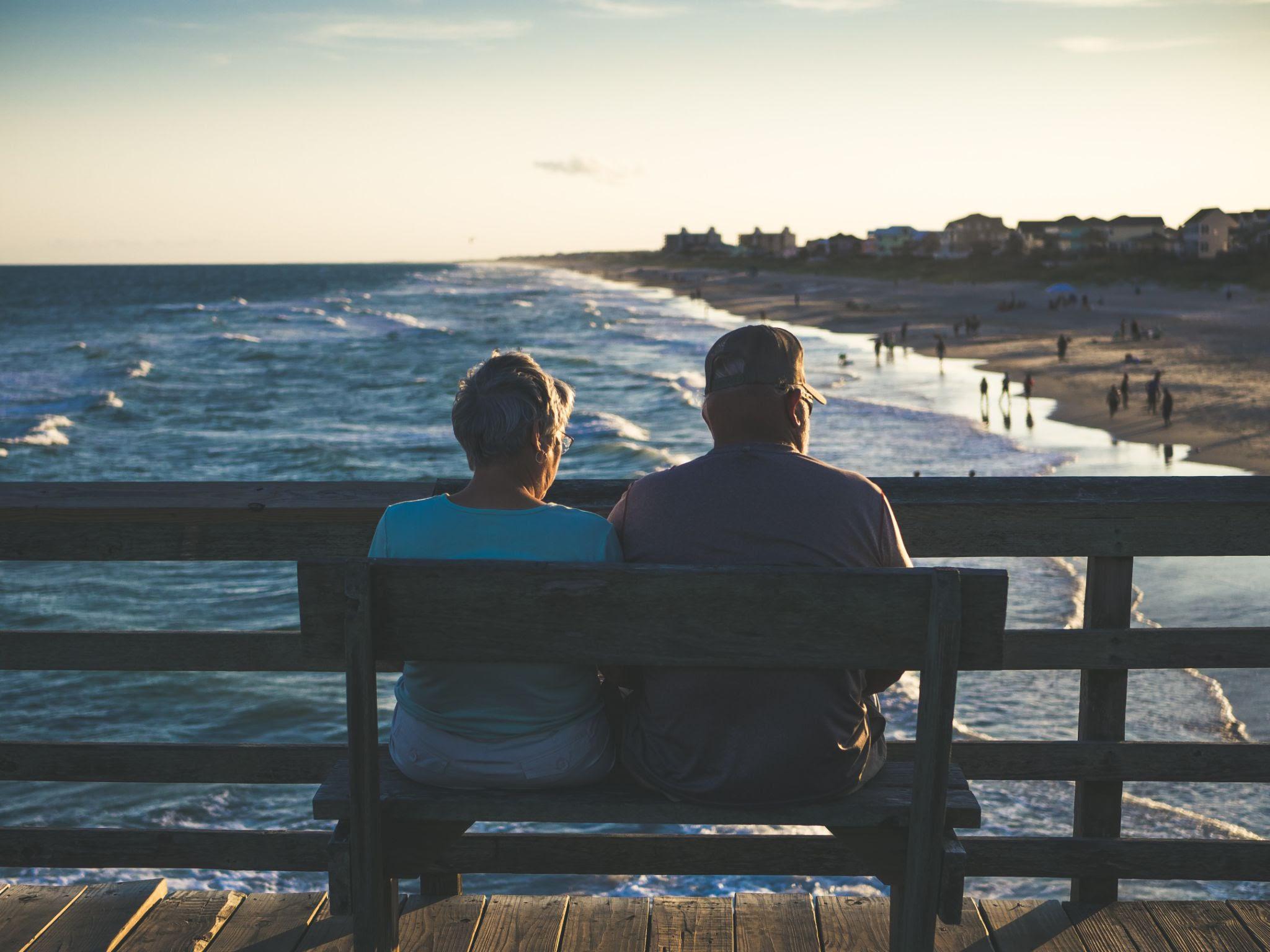
Enjoy them while you can? The ecotourism challenge facing Australia's favourite islands
- Written by: Freya Higgins-Desbiolles, Senior Lecturer in Tourism Management, University of South Australia
I fell for Kangaroo Island from my first visit. I recall standing on a headland on the island’s southern coast, near Remarkable Rocks (a popular tourist site), and being awestruck by the Southern Ocean.
The island (Australia’s third-largest after Tasmania and Melville Island) is one of 16 designated National Landscapes[1] and arguably South Australia’s greatest tourism treasure. Its protected areas (notably Flinders Chase National Park) are home to rare and endangered marsupials and birds.
A year ago, in Australia’s “Black Summer”, bushfires ravaged more than half the island (about 211,000 hectares). Those fires underscored the threat to this and other iconic island destinations.
Both directly and indirectly, humans are endangering these fragile ecosystems through unsustainable development and human-caused climate change.
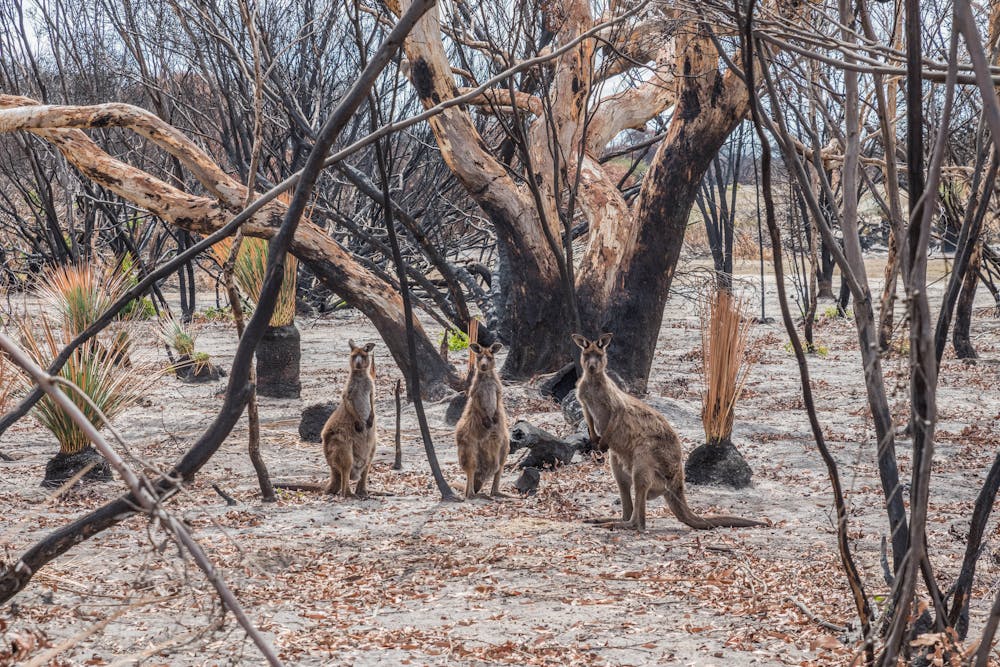 Kangaroos in burnt bushland on Kangaroo Island, South Australia.
RSPCA SA/AAP
Kangaroos in burnt bushland on Kangaroo Island, South Australia.
RSPCA SA/AAP
The most ironic threat is from unsustainable tourism. These islands attract millions of visitors a year keen to experience their natural wonders. Yet often this very “ecotourism” is contributing to their degradation.
How to do better?
Last October I took part in a workshop at which Kangaroo Island’s tourism operators discussed how to do so. 2020 was a difficult year for them, first with the fires, then with the COVID-19 pandemic. But in that adversity they also saw the opportunity to reset “business as usual” and come back better, creating an industry not harming its core asset.
Read more: The end of global travel as we know it: an opportunity for sustainable tourism[2]
A range of ideas came out of our talks applicable to all our island destinations. But there was one key point. Ecotourism should be more than fleeting feel-good experiences. It should not be a “value extraction” but a “values education”, inspiring visitors to go home and live more eco-consciously.
Macquarie island
The paradox of ecotourism is perhaps best exemplified by Australia’s least visited island destination – Macquarie Island, about 1,500 km south-east of Hobart, halfway between New Zealand and the Antarctica.
Just 1,500 tourists a year, rather than hundreds of thousands, are permitted by the Tasmania Parks and Wildlife Service[3] to visit. The island has no hotels, restaurants or souvenir shops. The only buildings are those of the Macquarie Island Station research base and a few isolated field huts[4] for scientists.
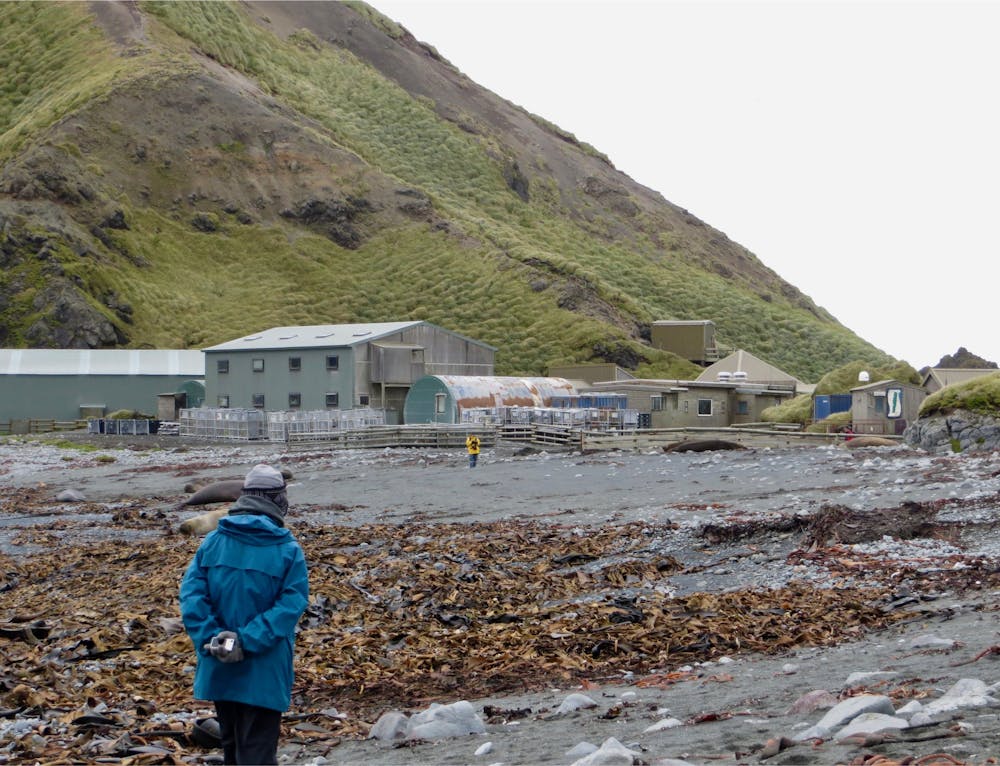 The Macquarie Island Research Base.
Dale Lorna Jacobsen/Shutterstock
The Macquarie Island Research Base.
Dale Lorna Jacobsen/Shutterstock
Tourists must be content with coming ashore for the day from the 18 small cruise ships that ply these waters in summer. The only hospitality is the traditional station offering of tea and scones[5].
But what tourists do get is a unique experience. Macquarie is World Heritage listed[6] as the only island made entirely from the earth’s mantle. It also teems with wildlife – multiple species of penguins and seals in their tens of thousands, and birds in their millions.
 Royal Penguins and Southern Elephant Seals at Sandy Bay, Macquarie Island.
Janelle Lugge/Shutterstock
Royal Penguins and Southern Elephant Seals at Sandy Bay, Macquarie Island.
Janelle Lugge/Shutterstock
It’s about as pure an ecotourism experience you can have (if you can afford it). Even so, it still takes resources to get there, including the burning of fossil fuels, contributing to the global warming that is the greatest threat to the environmental integrity[7] of Macquarie Island (and other island ecosystems).
However, the Tasmania Parks and Wildlife Service does at least expect cruise ship operators to “demonstrate their capacity to deliver desirable outcomes” on criteria[8] including minimisation of environmental impacts and communicating to tourists “messages about the natural and cultural values of the island”, including the role they play in its preservation.
Read more: This could be the end of the line for cruise ships[9]
K'gari (Fraser island)
Communicating such messages is something that certainly needs improvement on another World Heritage listed island[10] – K'gari (commonly known as Fraser island), the world’s largest sand island.
About 250 km north of Brisbane, at the southern end of the Great Barrier Reef, the island draws many hundreds of thousands of visitors a year to its beaches, woodlands and rainforests. (There are no recent public statistics on island visitor numbers but in 2017-18 the Fraser Coast region attracted 1,515,000 visitors.)
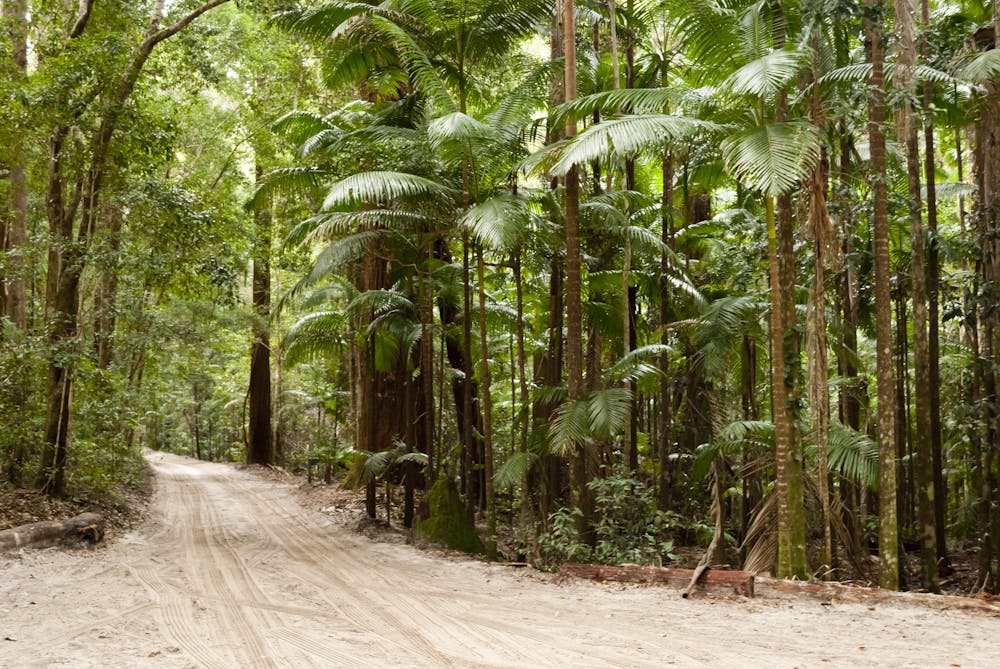 Rainforest on K'gari.
Marco Saracco/Shutterstock
Rainforest on K'gari.
Marco Saracco/Shutterstock
Once the island’s resources were mined and logged. Tourism was meant to be much less exploitative. But a range of organisations including the International Union for Conservation of Nature have highlighted the pressure tourist numbers[11] (along with their vehicles and infrastructure) are placing on K'gari’s landscapes and wildlife.
Communicating to all those visitors the role they play in the island’s preservation appears to be failing. The bushfires that burnt half the island (about 165,500 hectares) over nine weeks between October and December last year allegedly resulted from an illegal camp fire[12].
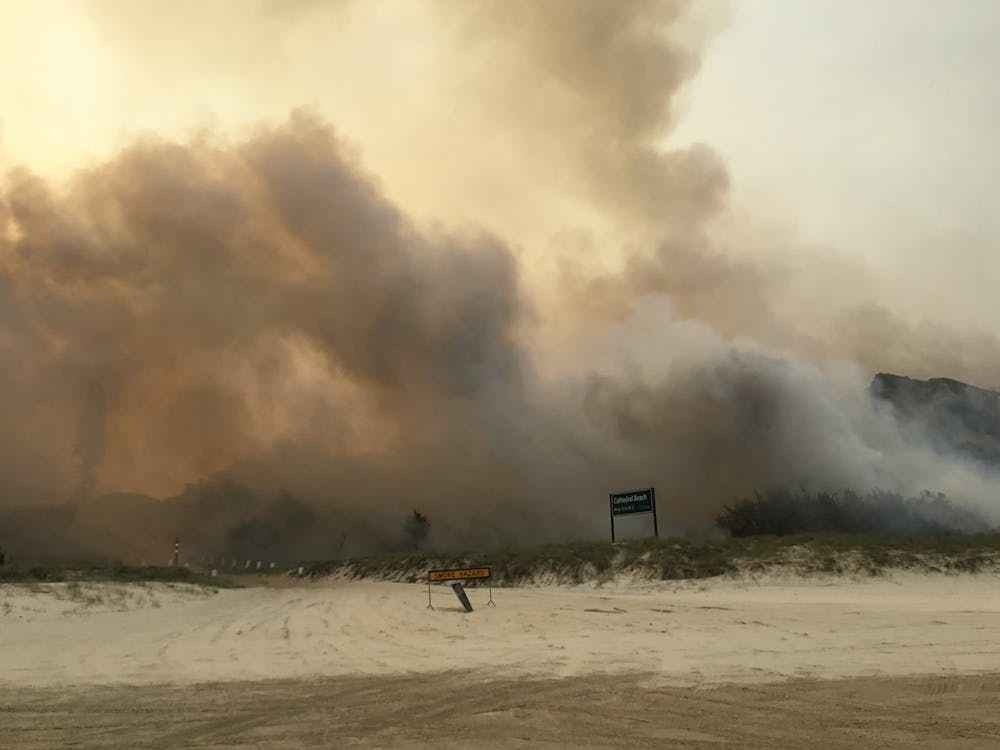 K'gari (Fraser Island) bush fires near the Cathedrals camping ground, November 2020.
QLD Ambulance Service/AAP
K'gari (Fraser Island) bush fires near the Cathedrals camping ground, November 2020.
QLD Ambulance Service/AAP
Headline-grabbing attacks by the island’s residents dingos – such as in April 2019 when a toddler was dragged from a campervan[13] – have also been credited to rampant irresponsible tourist behaviour (feeding dingoes to get better photos, for example).
Indigenous elders, conservationists[14] and scientists[15] have all pointed to the problem of a mass-tourism model that doesn’t put enough emphasis on educating visitors about the environment and their responsibilities.
Read more: The K'gari-Fraser Island bushfire is causing catastrophic damage. What can we expect when it's all over?[16]
Rottnest Island
One of our proposals for Kangaroo Island is to reduce the impact of motor vehicles through encouraging more extended walking and cycling experiences.
The value of sustainable transport as the foundation for ecotourism is demonstrated by Rottnest Island, 20 km off the coast of Perth.
The entire island is managed as an A-Class Nature Reserve. Apart from service vehicles and shuttle buses, it is car-free[17]. You can hire a bike or bring your own to get around the island (11 km long and 4.5 km wide). Or simply walk.
The absence of traffic makes a Rottnest holiday a distinctly more relaxed experience. It’s a fair example of slow tourism[18]; and, of course, it is also good for the island’s world famous quokkas[19], which co-exist with close to 800,000 visitors a year[20].
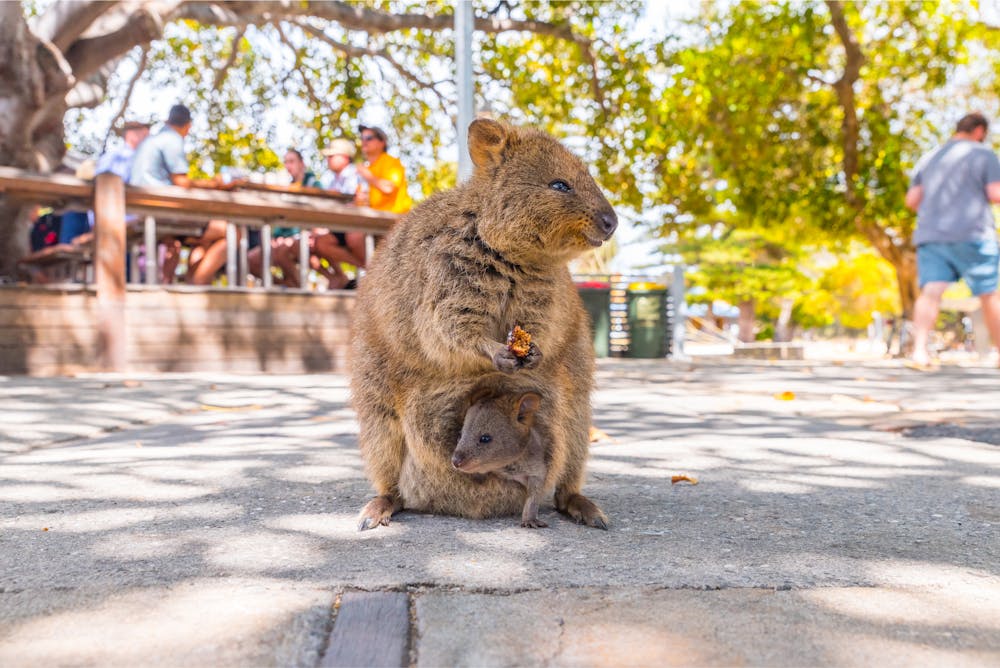 Rottnest island has the world’s only sizeable population of quokkas. There are 10,000 to 12,000 quokkas on the island.
Grakhantsev Nikolai/Shutterstock
Rottnest island has the world’s only sizeable population of quokkas. There are 10,000 to 12,000 quokkas on the island.
Grakhantsev Nikolai/Shutterstock
Read more: Before and after: 4 new graphics show the recovery from last summer's bushfire devastation[21]
Before they are gone
Given a little space, nature is resilient.
After Kangaroo Island’s bushfires a year ago, for example, it was feared a number of endangered species had finally been driven to extinction.
But in two of 2020’s few good news stories, scientists found critically endangered Kangaroo Island dunnarts[22] and little pygmy possums[23] – the world’s smallest marsupial – had survived.
 Kangaroo Island pygmy possum.
Ashlee Benc/Kangaroo Island Land for Wildlife, CC BY[24]
Kangaroo Island pygmy possum.
Ashlee Benc/Kangaroo Island Land for Wildlife, CC BY[24]
But we can’t take that resilience for granted if we keep putting pressure on these fragile ecosystems. We need a better approach to ensure ecotourism isn’t about enjoying these natural wonders before they are gone.
References
- ^ National Landscapes (www.environment.gov.au)
- ^ The end of global travel as we know it: an opportunity for sustainable tourism (theconversation.com)
- ^ Tasmania Parks and Wildlife Service (parks.tas.gov.au)
- ^ field huts (www.antarctica.gov.au)
- ^ tea and scones (www.antarctica.gov.au)
- ^ World Heritage listed (whc.unesco.org)
- ^ environmental integrity (whc.unesco.org)
- ^ on criteria (parks.tas.gov.au)
- ^ This could be the end of the line for cruise ships (theconversation.com)
- ^ World Heritage listed island (whc.unesco.org)
- ^ tourist numbers (worldheritageoutlook.iucn.org)
- ^ an illegal camp fire (www.theguardian.com)
- ^ dragged from a campervan (www.theguardian.com)
- ^ conservationists (www.accomnews.com.au)
- ^ scientists (cosmosmagazine.com)
- ^ The K'gari-Fraser Island bushfire is causing catastrophic damage. What can we expect when it's all over? (theconversation.com)
- ^ car-free (interactivepdf.uniflip.com)
- ^ slow tourism (link.springer.com)
- ^ quokkas (www.australia.com)
- ^ 800,000 visitors a year (www.mediastatements.wa.gov.au)
- ^ Before and after: 4 new graphics show the recovery from last summer's bushfire devastation (theconversation.com)
- ^ Kangaroo Island dunnarts (www.theislanderonline.com.au)
- ^ little pygmy possums (www.abc.net.au)
- ^ CC BY (creativecommons.org)
Authors: Freya Higgins-Desbiolles, Senior Lecturer in Tourism Management, University of South Australia