We need more than a 15% pay rise to beat the 3 stigmas turning people off aged care jobs
- Written by: Asmita Manchha, Research fellow, The University of Queensland

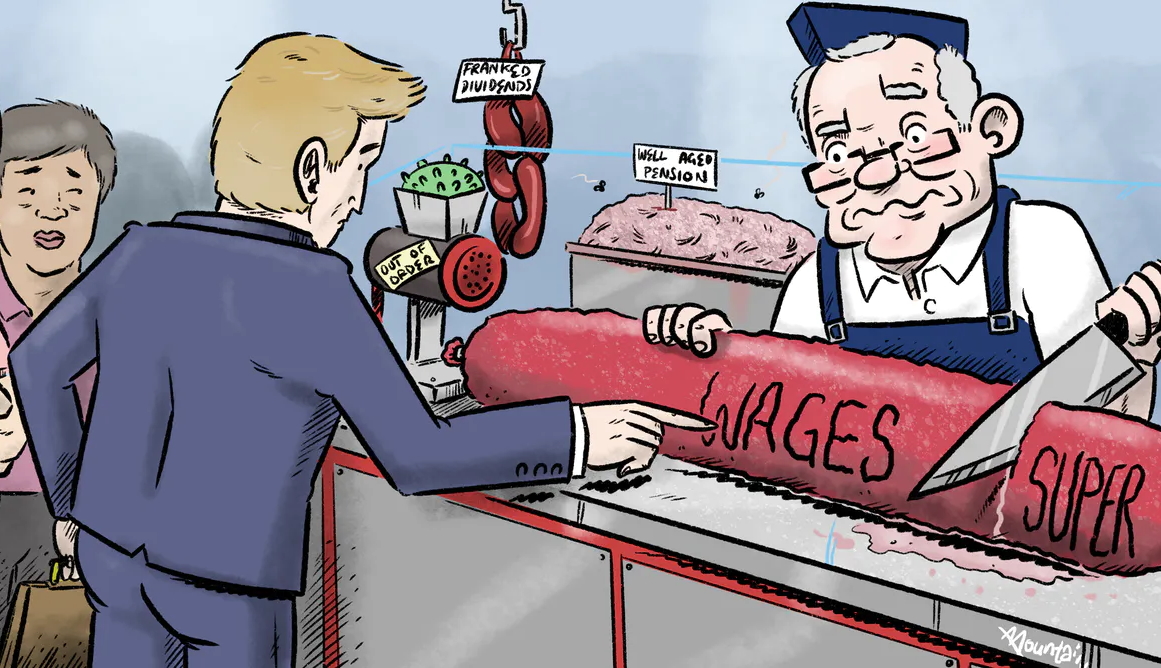
Aged care workers will see their award wages increase by 15% at the end of this month[1]. It’s recognition that their work has been undervalued, and that something needs to be done to solve the looming critical shortage of aged care workers as the population ages.
Higher wages was a key recommendation[2] of the aged care royal commission. But how much money is enough to compensate for the stigma associated with aged care work?
Our research[3] shows that aged care work is burdened by three types of stigma – physical, social and moral.
Physical stigma refers to work performed under particularly dangerous conditions, or being exposed to dirt, bodily fluids and death. Examples of jobs with high physical stigma include firefighting, working with sewage and being an undertaker.
Social stigma is associated with work[4] seen as low-status, because it involves being in a servile relationship and working with people belonging to marginalised group – in this case, older people.
Moral stigma involves work that is viewed as deceptive or unethical. Examples include used car salespeople and loan sharks. Our findings point to a moral stigma around aged care work, which is reinforced by media coverage of elder abuse and neglect.
All three stigmas put aged care work in a select group of maligned occupations. Higher wages may ameliorate some of these stigmas, but more will be needed to address them all.
Read more: Overseas recruitment won't solve Australia's aged care worker crisis[5]
Physical, social and moral stigmas
Our research is based on surveying 159 health professionals who do not currently work in aged care about their perceptions of the sector and the work.
Many occupations are stigmatised. For example, being a miner carries a high physical stigma, a welfare worker a social stigma, and a real estate agent a moral stigma.
Some occupations have two strong stigmas, such as being a prison guard (physical and social stigma), being in the military (physical and moral stigma), or being a debt collector (social and moral stigma). The following graph shows how US researchers Blake Ashforth and Glen Kreiner categorised different occupations in their 2014 study, “Dirty work and dirtier work: Differences in countering physical, social and moral stigma”[6].

Our research shows that aged care work carries the burden of all three stigmas.
How can higher wages help?
Attracting more people to aged care work requires challenging all three of these stigmas. The question is to what extent higher wages can do this.
It’s generally the case that higher pay[9] means higher occupational prestige.
Higher pay can’t reduce physical stigma, but it can compensate for it – just as high salaries compensate people willing to do mining work[10].
It can certainly help to diminish the social stigma, by signalling that society values this work more than it has done in the past[11]. But the relatively small wage increase will not overcome the fact that society puts greater value on occupations that focus on “curing” rather than “caring”[12].
Higher pay may reduce the moral stigma, but only if other royal commission recommendations regarding better training and management are also implemented. The cases of abuse and neglect highlighted in media stories aren’t just about “bad apples”, but broader systemic issues[13] such as staffing ratios and time allocated to direct care.
More fundamentally, the stigmatisation of aged care work reflects a structural deficiency of the economy, which fails to celebrate and remunerate caring work.
The federal government has taken a number of steps to address this, including giving the Fair Work Commission greater powers to address systemic low payment of female-dominated work, and expanding the potential for multi-enterprise enterprise bargaining[14].
But much more will need be done before all care work is valued the way it needs to be.
Read more: Wages and women top Albanese's IR agenda: the big question is how Labor keeps its promises[15]
References
- ^ by 15% at the end of this month (www.fairwork.gov.au)
- ^ a key recommendation (theconversation.com)
- ^ research (academic.oup.com)
- ^ work (www.emerald.com)
- ^ Overseas recruitment won't solve Australia's aged care worker crisis (theconversation.com)
- ^ “Dirty work and dirtier work: Differences in countering physical, social and moral stigma” (psycnet.apa.org)
- ^ Management and Organization Review (www.cambridge.org)
- ^ CC BY (creativecommons.org)
- ^ higher pay (onlinelibrary.wiley.com)
- ^ mining work (www.abc.net.au)
- ^ it has done in the past (doi.org)
- ^ “curing” rather than “caring” (onlinelibrary.wiley.com)
- ^ broader systemic issues (agedcare.royalcommission.gov.au)
- ^ multi-enterprise enterprise bargaining (theconversation.com)
- ^ Wages and women top Albanese's IR agenda: the big question is how Labor keeps its promises (theconversation.com)
Authors: Asmita Manchha, Research fellow, The University of Queensland