Catering Boxes: Practical Packaging That Supports Food Quality and Presentation
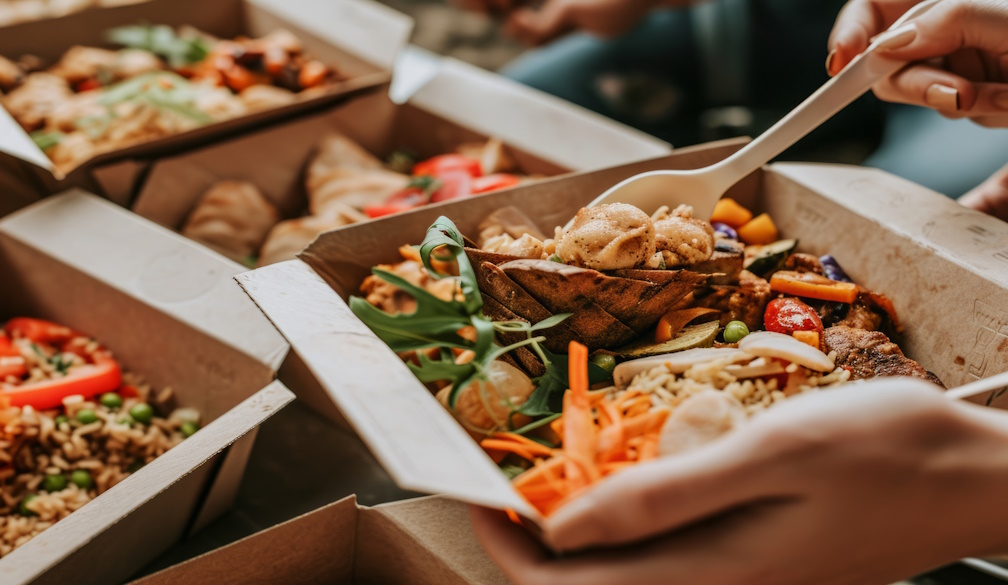
Reliable Catering boxes are essential for food businesses that need to transport, store, and present meals safely and professionally. From cafés and bakeries to large-scale caterers and event organisers, catering boxes play a vital role in protecting food while maintaining presentation standards. In a competitive food service environment, the right packaging supports both operational efficiency and customer satisfaction.
Catering boxes are designed specifically to meet the demands of prepared food. They must be strong enough to hold weight, stable enough to prevent movement, and suitable for direct food contact. Choosing appropriate boxes ensures meals arrive intact, appealing, and ready to serve.
Why Catering Boxes Are Essential for Food Businesses
Food service operations rely on consistency and reliability. Catering boxes provide a dependable way to manage large volumes of food without compromising quality. Whether transporting individual portions or full catering trays, well-designed boxes keep items secure and organised.
Beyond protection, catering boxes also support hygiene. Proper packaging reduces exposure to contaminants during handling and transport. This is especially important for businesses that deliver food off-site or cater events where food safety expectations are high.
Supporting Food Presentation and Professional Image
Presentation matters in catering. The way food arrives influences first impressions and perceived quality. Catering boxes help maintain structure and appearance, preventing spills or damage that can detract from the overall experience.
Clean, well-constructed boxes reflect professionalism. They show attention to detail and care for the end customer, whether that customer is a corporate client, event organiser, or private host. Consistent presentation builds trust and reinforces brand credibility.
Strength and Stability for Transport
Transporting prepared food presents unique challenges. Dishes may be hot, heavy, or delicate, and movement during transport can cause shifting or spills. Catering boxes are engineered to provide stability and strength, supporting safe handling.
Reinforced bases and secure closures help maintain balance during movement. This reduces the risk of accidents and ensures food arrives in the same condition it left the kitchen. For catering businesses managing multiple deliveries, this reliability is critical.
Versatility Across Catering Applications
Catering boxes are used across a wide range of food service applications. They accommodate everything from sandwiches and pastries to full meal trays and desserts. This versatility allows businesses to standardise packaging while serving diverse menus.
Having access to different box sizes supports efficient packing. Using appropriately sized boxes reduces wasted space and helps keep food secure. This adaptability makes catering boxes suitable for both small gatherings and large-scale events.
Efficiency in Storage and Preparation
Operational efficiency is important in busy kitchens. Catering boxes that are easy to assemble and stack support faster preparation and packing. Many designs are supplied flat, allowing for compact storage until needed.
Efficient storage reduces clutter and improves workflow in kitchens where space is often limited. Quick assembly also saves time during peak periods, allowing staff to focus on food preparation rather than packaging complications.
Maintaining Food Freshness and Temperature
Catering boxes play a role in maintaining food quality during transport. Properly designed boxes help protect food from external conditions while supporting ventilation where needed. This balance helps maintain freshness and temperature until serving time.
For hot foods, stable packaging reduces heat loss caused by shifting or exposure. For cold items, secure boxes help maintain presentation and integrity. While boxes are not substitutes for temperature-controlled transport, they contribute significantly to preserving quality.
Cost Efficiency for Catering Operations
Packaging costs are a significant consideration for catering businesses. Catering boxes offer a cost-effective solution by combining strength, practicality, and affordability. Choosing suitable boxes helps avoid damage-related losses and reduces the need for additional packaging materials.
Over time, reliable packaging contributes to lower operational costs. Fewer damaged items, smoother deliveries, and efficient packing all support better financial outcomes for catering operations.
Sustainability and Responsible Packaging Choices
Sustainability is increasingly important in food service. Many catering boxes are made from paper-based materials that can be recycled after use. This makes them a more environmentally responsible choice compared to less sustainable packaging options.
Using recyclable packaging aligns with customer expectations around responsible practices. Catering businesses that choose sustainable packaging demonstrate awareness of environmental impact while maintaining practicality.
Customisation and Branding Opportunities
Catering boxes also offer opportunities for branding. Clean, uniform packaging creates a professional look, and custom printing can further enhance brand recognition. Logos, business names, or simple messages reinforce identity and create a cohesive presentation.
Even without heavy branding, consistent packaging helps establish a recognisable standard. Customers begin to associate neat, reliable packaging with quality service, which supports repeat business and positive referrals.
Meeting Food Safety and Handling Standards
Food packaging must meet safety standards to ensure suitability for food contact. Catering boxes are designed with these requirements in mind, supporting compliance and reducing risk.
Clear labelling and sturdy construction also help staff handle food correctly during transport and setup. This attention to safety protects both the business and its customers, particularly in professional catering environments.
Reducing Waste and Operational Disruptions
Damage during transport leads to waste, rework, and customer dissatisfaction. Catering boxes that perform reliably reduce these issues by protecting food from movement and external pressure.
Lower waste rates support sustainability goals and reduce costs. They also help catering teams operate more smoothly, avoiding last-minute issues that can disrupt service delivery.
Choosing the Right Catering Boxes for Your Needs
Selecting appropriate catering boxes depends on menu type, portion size, and transport requirements. Factors such as weight, temperature, and presentation all influence the best choice.
Working with a reliable supplier ensures access to suitable options and consistent quality. Professional suppliers can also offer guidance on selecting boxes that align with operational needs and customer expectations.
Final Thoughts
Catering boxes are a fundamental part of successful food service operations. They protect food, support presentation, and contribute to efficient transport and handling. By choosing the right catering boxes, businesses can improve reliability, reduce waste, and deliver a professional experience that customers value.