Why Timely Air Conditioning Repair Is Important for Comfort, Efficiency, and System Longevity
- Written by: Weekend Times
A functioning air conditioning system is essential for maintaining a comfortable home, especially during warm weather. When the unit begins to show signs of trouble—such as weak airflow, unusual noises, or inconsistent cooling—it may be time to schedule Air Conditioning Repair. Ignoring early warning signs often leads to bigger issues, higher energy consumption, and costly breakdowns. Timely repair ensures that your system continues to operate efficiently, keeps your home comfortable, and prevents unnecessary damage to internal components.
Many homeowners only seek repair services when the system completely stops working, but air conditioners often show subtle symptoms long before a major failure occurs. Addressing these signs promptly helps you avoid stressful emergencies and extend the life of your cooling system.
Common Signs Your Air Conditioner Needs Repair
Air conditioners are designed to run smoothly and quietly. When something goes wrong, the system usually provides clear indicators. Weak or inconsistent airflow is one of the most common signs, suggesting blocked ducts, motor issues, or a failing compressor. Unusual noises such as rattling, buzzing, or grinding often indicate loose parts or worn components.
Unpleasant smells coming from the vents can be a sign of mould, burnt wiring, or trapped debris. Sudden spikes in energy bills may also point to a struggling system that is working harder than necessary. If the system cycles on and off more frequently than usual, there may be an issue with the thermostat or internal controls.
Recognising these symptoms early and arranging repair can prevent the problem from escalating into a costly breakdown.
Why Early Repair Saves Money in the Long Run
Postponing repairs often leads to heavier damage and more expensive fixes. A minor issue such as a worn fan belt or clogged filter can easily put strain on the compressor, which is one of the most expensive components of the system. Running the air conditioner with unresolved issues increases energy consumption and reduces efficiency, leading to higher utility bills.
Addressing problems early enables technicians to fix faults before they spread to other parts of the unit. Regular repair and maintenance help preserve system performance and reduce the likelihood of emergency breakdowns during peak weather conditions.
Improving Indoor Comfort Through Proper Repair
A well-functioning air conditioner maintains consistent cooling and removes humidity from indoor air. When the system is faulty, certain rooms may feel warmer than others, or the home may struggle to stay cool. Repair services restore proper airflow, cooling capacity, and humidity control.
This improved comfort is especially important during extremely hot days, when a malfunctioning cooling system can make indoor living uncomfortable and even unsafe for vulnerable individuals such as children or the elderly.
Protecting Indoor Air Quality
A faulty air conditioner can negatively affect indoor air quality. Blocked filters, dirty coils, or mould inside the system can release pollutants into the home. These contaminants may aggravate allergies, asthma, or respiratory conditions.
Professional repair and servicing help ensure that the air conditioner is clean and functioning properly. Technicians may recommend replacing filters, cleaning coils, or addressing moisture issues to prevent mould growth. This leads to cleaner air and a healthier living environment.
Enhancing Energy Efficiency
Energy efficiency declines when an air conditioner is not working properly. Blocked airflow, refrigerant leaks, failing motors, or worn components force the system to consume more power to produce the same amount of cooling.
Repairing these issues restores optimal performance, reducing energy usage and lowering electricity bills. Over time, these savings can be significant, making repair services a cost-effective investment.
Preventing System Breakdowns
Unexpected air conditioner failures often happen during the hottest days of the year when the system is under the most pressure. Regular repairs and check-ups help identify weaknesses before they cause a complete breakdown.
Technicians can spot worn components, low refrigerant levels, electrical faults, or mechanical issues and address them early. This not only prevents sudden system failures but also keeps the air conditioner running smoothly for longer periods.
Extending System Lifespan
Air conditioning systems can last for many years when properly cared for. Timely repair helps preserve essential components and prevents avoidable damage. When issues are left unresolved, the system wears out faster and may require early replacement.
Routine repair and professional servicing help your air conditioner operate efficiently throughout its life. This extends the overall value of your investment and reduces the likelihood of having to replace the unit sooner than expected.
Environmental Benefits of Prompt Repair
A poorly functioning air conditioner may leak refrigerant or consume excessive energy. Repairing leaks protects the environment and ensures the system operates safely. Improved efficiency also reduces energy consumption, lowering your home’s environmental impact.
Homes that maintain their air conditioning systems properly often have better energy ratings and a smaller carbon footprint.
What to Expect From Professional Repair Services
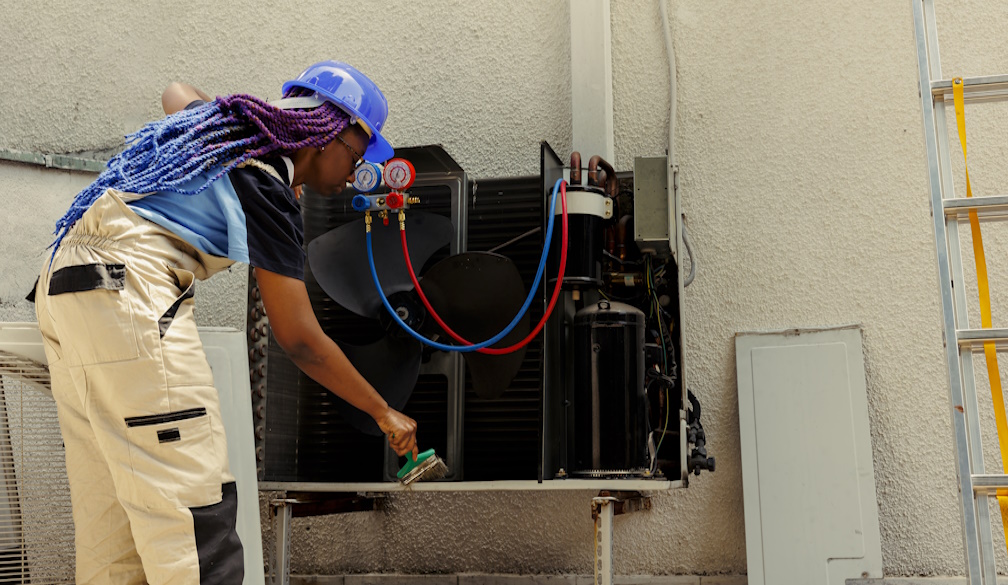
During a repair visit, technicians inspect the system thoroughly to identify the root cause of the issue. They may check filters, coils, refrigerant levels, electrical connections, motors, ductwork, and thermostat settings.
Once the problem is diagnosed, the technician explains the issue, recommends solutions, and provides transparent pricing. Professional repair ensures that only high-quality parts are used and that all work meets safety and manufacturer standards.
After repair, the system should run more efficiently, cool more effectively, and operate quietly.
Preventive Maintenance Helps Avoid Frequent Repairs
In addition to repair, routine maintenance ensures long-term performance. This includes cleaning filters, checking refrigerant levels, lubricating moving parts, and inspecting electrical connections.
Preventive maintenance reduces the need for emergency repairs and supports a healthier indoor environment. Many homeowners schedule annual servicing to keep their systems in top condition throughout the year.
Conclusion
Timely air conditioning repair plays a vital role in maintaining comfort, efficiency, and long-term performance. Addressing issues early prevents costly breakdowns, improves energy usage, and enhances indoor air quality. With professional repair services, homeowners enjoy reliable cooling, lower utility bills, and peace of mind knowing their system is working as it should.