How rural policing gaps can make escaping domestic violence harder
- Written by: Weekend Times
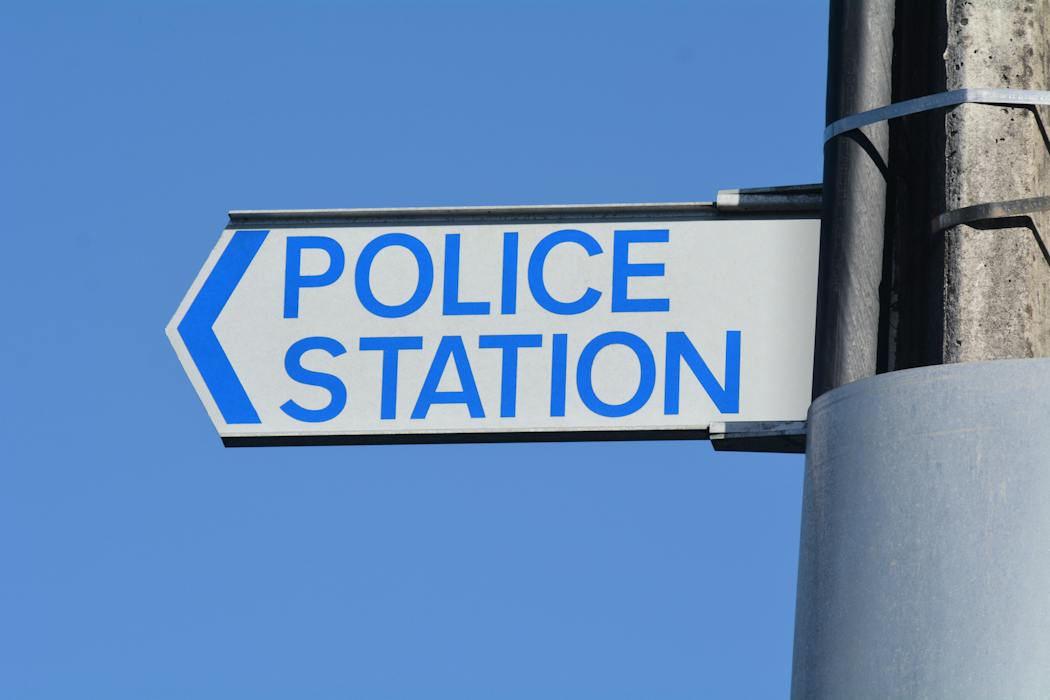
Before murdering Molly Ticehurst in April 2024, court documents show Daniel Billings had threatened to exploit the limits of policing in her country town:
I will come in
the middle of the night […] The police won’t stop me. I will get to you quicker than they will.
This threat illustrates how an abuser can use the prospect of delayed access to police and justice to frighten, control, or enact violence against victims.
We know that the burden of violence is uneven in Australia. In contrast to the dominant view of idyllic and crime-free rural life, violence and indeed domestic violence, are a prominent feature in many communities.
Research shows us particular characteristics of rural life – such as police availability, distance, limited services and local relationships – can restrict options.
Improving police coverage therefore means making protection readily available, safe to seek and supported after the fact.
A disproportionate burden on rural communities
In the year to June 2026, the recorded domestic violence-related assault rate in regional New South Wales was 73% higher than in Greater Sydney. More specifically, in the Far West and Orana regions, it was 3.4 times the state rate.
Still, much of this violence never reaches the police and, as with much rural crime, there is a significant “dark figure”.
In the 2021–22 national Personal Safety Survey, 79% of women who had experienced physical or sexual violence from their current live-in partner had never told police. For previous live-in partners, this figure was 68%.
Responding to such violence is a challenge if officers are unavailable. In September of 2024, New South Wales had 2,279 police vacancies, 12% of its total authorised positions.
Looking to rural areas, in the Orana Mid-Western district, a November 2024 audit found once vacancies and leave were accounted for, the police force had only 70% of its allocated workforce available.
Workforce totals and sick leave alone cannot tell us whether help will arrive when needed and rostering matters as well. For example, a 2023 Queensland audit found staffing did not match peak evening and weekend demand.
There has been some progress over the past two years. For instance, the NSW Police now pays recruits in training and, in August 2026, 353 recruits graduated, representing the largest class in 14 years.
Still, recruitment is just the beginning. Any gains must be converted into reliable rural coverage, which also requires retaining experienced officers and covering absences.
The tyranny of distance
Key characteristics of rural environments make these pressures even harder to manage. My research with colleagues on rural policing internationally found shared challenges related to the tyranny of distance, stretched resources and difficulties maintaining community relationships.
Closer to home, our Australian research on rural police officers also describes challenges related to rural officers’ isolation, concerns about backup, and pressures from being informally available outside working hours. All of these factors can impact recruitment and retention.
Station hours create another problem in some areas. In Forbes NSW, at certain hours, the nearest open station is 30 kilometres away at Parkes.
Similarly, Victoria’s 2023 plan to reduce counter hours, aiming to free officers for patrols, meant that Portland’s nearest alternative 24-hour counter was 100 kilometres away.
On-call emergency arrangements often still provide a round-the-clock regional response. But keeping patrols available and responses timely and providing somewhere to disclose abuse are different functions.
For example, research shows how perpetrators may monitor women’s phones and movements. That means calling from home may be unsafe while controlling access to the family car can make travelling long distances for help difficult too.
Social barriers to seeking help
Distance isn’t the only barrier. Research in rural criminology has shown how close community networks can excuse abuse and protect perpetrators. Australian research describes barriers such as the pressures of family privacy, gossip and communities siding with well-regarded men.
In small communities, people are often closely connected. There is a possibility the person taking a report may know the perpetrator and that even being seen entering a police station or related services can expose a victim’s search for help.
Support that matches rural realities
Greater access to specialist resources can help here. For example, 2017 research across five regional and remote locations found women valued specialist police and domestic violence services. Yet, at the same time, practitioners described crisis workloads and travel consuming time needed to reach women in outlying communities.
Research in regional New South Wales also identified insufficient refuge places, safe housing and support workers, alongside limited public transport and unstable funding as key barriers.
The promise of protection must be credible to those seeking it and work against those seeking to do harm. This means ensuring access to police, justice, and related services can be reached safely and in a timely manner and that support is not only available but continues after police leave.
Addressing domestic violence in rural Australia requires us to pay attention to how local conditions, relationships and institutions can enable abuse or help victims find safety. Governments need to fund and organise rural policing, justice, and support services around these rural realities.
Kyle J.D. Mulrooney does not work for, consult, own shares in or receive funding from any company or organisation that would benefit from this article, and has disclosed no relevant affiliations beyond their academic appointment.