Brand activism is moving up the supply chain — corporate accountability or commercial censorship?
- Written by: Sommer Kapitan, Senior Lecturer in Marketing, Auckland University of Technology
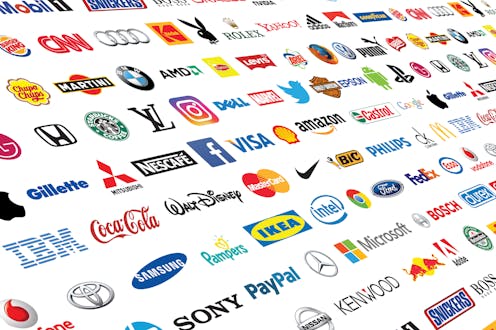
When New Zealand digital media giant Stuff stopped using Facebook[1] as an advertising partner in July this year, it joined the ranks of other openly activist brands. But it also showed how brand activism[2] is moving from speaking directly to consumers to companies policing their own supply chains.
The trial decision was in response to concerns over “fake news, hate speech and fraudulent advertising” on Facebook, which conflicted with Stuff’s charter[3] under its new local ownership.
As such, it is part of a broad trend towards companies applying their own checks and balances[4] on commercial ethics and activity. But this evolving role for business-to-business (B2B) brands is not without controversy or risk of financial blowback.
When does the act of removing products from stock, or boycotting a major supplier, move beyond marketing strategy to moral act? And when does it become censorship?
These questions relate directly to the tangible impacts of B2B activism: removing products from shelves, terminating licensing contracts, removing content from online platforms and firing clients and supply-chain partners who don’t align with a corporate brand’s avowed values and purpose.
Supply-chain activism is growing
Such activism may happen behind the retail face of a brand, but is nevertheless often about the perceptions of the end consumer.
For example, when Australian celebrity chef Pete Evans tweeted a neo-Nazi meme in November, publisher Pan Macmillan and licensed cookware makers Baccarat and House ended their partnerships[5] with him. Baccarat said in a statement:
In our view, the images and views expressed by Mr Evans are abhorrent, unacceptable and deeply offensive.
Retailers across Australasia followed suit, pulling cookbooks and kitchenware lines from their shelves. There’s an important distinction here between retailers simply refusing to stock products because they are offensive or defective, and refusing to stock products because of something a supplier has said or done.
Read more: Athlete activism or corporate woke washing? Getting it right in the age of Black Lives Matter is a tough game[6]
This has been likened[7] to “cancel culture” by some supply-chain partners vetoed by activist brands, and is forcing businesses to ask where they draw the line on perceived moral and ethical issues.
Consumers demand transparency
This is new territory for manufacturing and client-facing corporate brands, which had been somewhat exempted from the first wave of authentic brand activism[8].
Because B2B companies are insulated from direct customer contact, managers or buyers tasked with justifying corporate decision-making[9] have tended to put costs ahead of social or emotional considerations.
But the rapid acceleration of brands as arbiters of social causes has inevitably moved back up the supply chain. Shoppers are increasingly aware of, and driven by, transparency[10].
For example, consumer watchdog groups wary of greenwashing[11] or deceptive claims about green product performance have led to the rise of green supply-chain monitoring[12].
Read more: Woke washing: what happens when marketing communications don't match corporate practice[13]
Not business as usual
But end-consumer expectations now extend[14] to social causes. This means we are witnessing the rise of the “pro-social supply chain”, increasingly driven by social and political considerations rather than the bottom line.
Locally, apparel maker Icebreaker followed Stuff and stopped advertising[15] on Facebook. And online retailer Mighty Ape pulled books[16] by an author who mocked New Zealand’s new foreign minister’s moko kauae (facial tatoo).
Overseas, the Facebook boycott movement[17] #StopHateForProfit organised by civil rights groups saw more than 1,000 companies join and cut their advertising spends.
Elsewhere, American hotel brand Motel 6 and others fired[18] its longstanding advertising agency due to the founder’s reportedly racist comments. And law firms Jones Day and Porter Wright pulled back[19] from representing outgoing president Donald Trump in post-election lawsuits.
No actions without consequences
B2B brand activism in the supply chain is not without consequences[20], however. Suppliers can lose contracts, revenue and livelihoods when they are “cancelled” by clients further down the supply chain.
Activist brands are also at financial risk themselves — as Stuff would have been by forgoing market share due to its Facebook decision. The ideal outcome is that positive brand awareness drives business to offset any losses.
But, as our work[21] on brand activism shows, authenticity is paramount: B2B brands’ marketing and communication must align with purpose and genuine action. Once a corporate brand takes a stand, it must continue to advocate[22] for sustainable ethical supply-chain practices — or risk being accused of “woke washing”.
The next challenge is clear: B2B brand activism must also involve actively infiltrating the supply chain to prioritise workplace safety, workers’ rights and sustainability to keep pace with consumer demand for social purpose.
References
- ^ stopped using Facebook (www.stuff.co.nz)
- ^ brand activism (journals.sagepub.com)
- ^ charter (www.stuff.co.nz)
- ^ checks and balances (journals.sagepub.com)
- ^ ended their partnerships (www.pedestrian.tv)
- ^ Athlete activism or corporate woke washing? Getting it right in the age of Black Lives Matter is a tough game (theconversation.com)
- ^ likened (www.dailymail.co.uk)
- ^ authentic brand activism (journals.sagepub.com)
- ^ justifying corporate decision-making (www.sciencedirect.com)
- ^ transparency (mitsloan.mit.edu)
- ^ wary of greenwashing (link.springer.com)
- ^ green supply-chain monitoring (www.sciencedirect.com)
- ^ Woke washing: what happens when marketing communications don't match corporate practice (theconversation.com)
- ^ extend (link.springer.com)
- ^ stopped advertising (www.stuff.co.nz)
- ^ pulled books (www.nzherald.co.nz)
- ^ movement (www.nytimes.com)
- ^ fired (www.nytimes.com)
- ^ pulled back (www.nytimes.com)
- ^ not without consequences (www.stuff.co.nz)
- ^ our work (journals.sagepub.com)
- ^ continue to advocate (www.emeraldgrouppublishing.com)
Authors: Sommer Kapitan, Senior Lecturer in Marketing, Auckland University of Technology