Australia already has a UK-style windfall profits tax on gas – but we'll give away tens of billions of dollars unless we fix it soon
- Written by: Peter Martin, Visiting Fellow, Crawford School of Public Policy, Australian National University
The really bizarre thing about calls for a UK-style windfall profits tax[1] on gas is that Australia’s already got one.
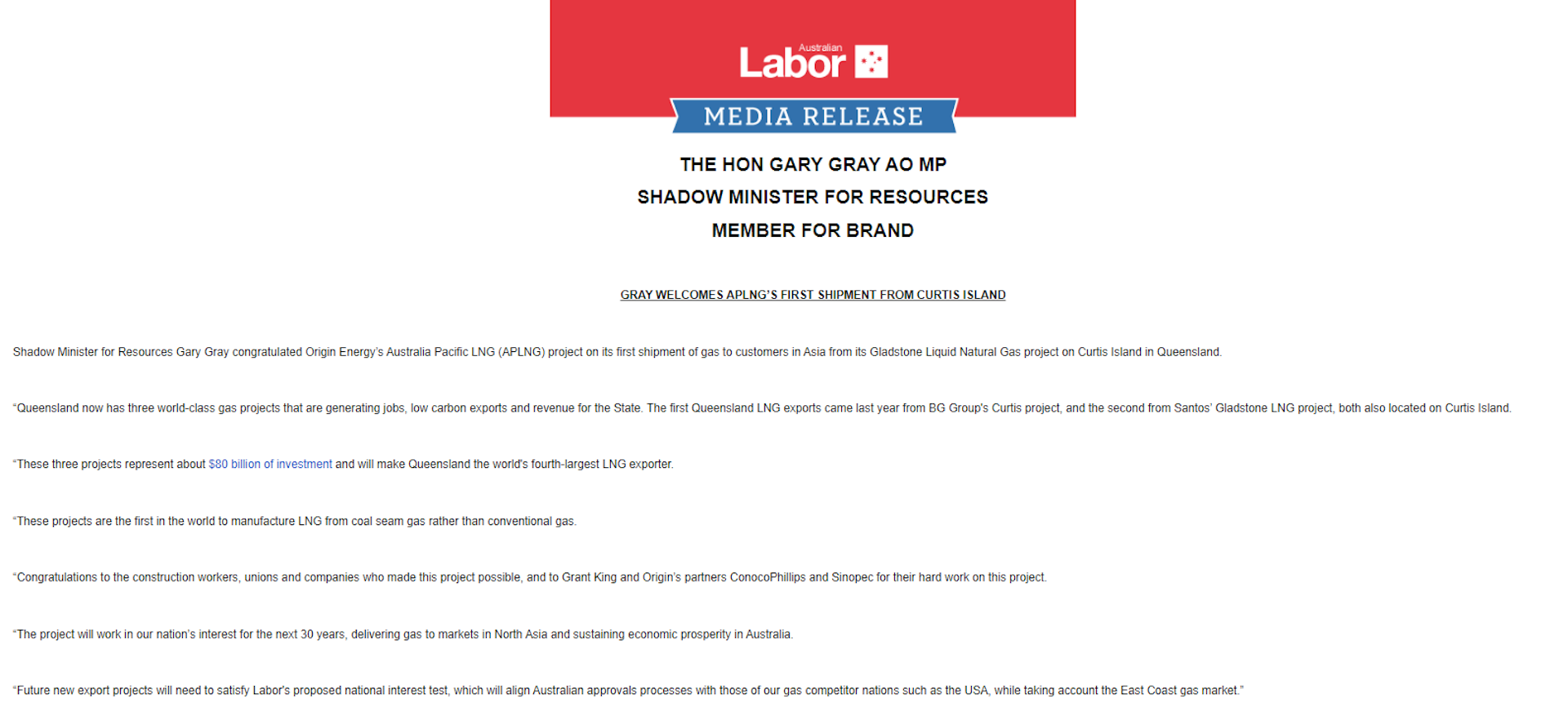
Gas prices have soared to levels never envisioned in the lead-up to 2015, when three resource giants spent A$80 billion[2] building terminals in Queensland with the potential to export three times[3] the east coast gas Australia had been using.
At the time, the “netback” international gas price (net of the cost of liquefying and shipping) was barely A$10 a gigajoule[4], and wasn’t expected to climb much higher[5].
Suddenly, in the space of a year, it has jumped to three times that level. Local industrial customers are now being asked to pay an barely-credible $382[6] a gigajoule – and gas suppliers were about to ask for $800, before the energy market operator stepped in and capped prices at a still “crippling[7]” $40 a gigajoule.
Gas generators aren’t keen to power up
So expensive is gas that on Monday, when almost a quarter of Australia’s coal-fired power generating units were out of action and it looked as if NSW and Queensland would be plunged into darkness, gas generators were sitting on their hands rather than powering up[8].
They only acted when ordered to[9] by the energy market operator.
In Britain, where export gas prices have climbed just as high (and one of the same companies, Shell, is involved) Prime Minister Boris Johnson has imposed a 25% windfall profits tax[10] on oil and gas producers.
The special tax will help fund support for households struggling with high bills, and will be phased out when oil and gas prices return to normal.
Australia already has a special tax on gas
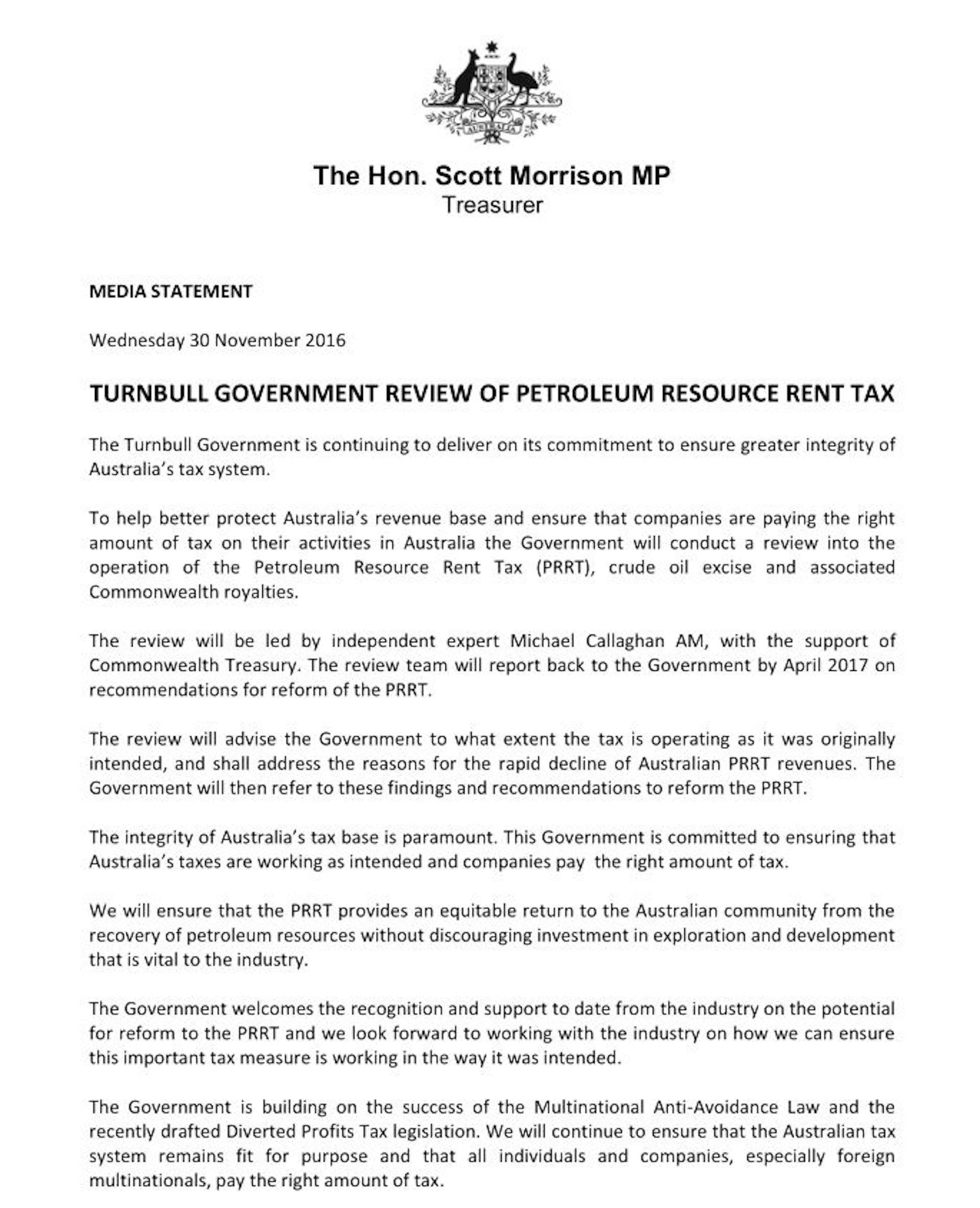
There are precedents here for singling out an entire industry for an extra tax. Scott Morrison did it in 2017 with a special tax on big banks[11], which continues to this day.
The Rudd and Gillard governments tried it with a short-lived 40% super-profits[12] tax on the mining industry, which was based on … well, it was based on the longstanding 40% resource rent tax applying to the oil and gas industry[13].
That’s right. Australian oil and gas producers have had to shell out 40% of their profits in tax, in addition to 30% company tax on profits, for years.
That’s a total big enough to ensure the windfall profits resulting from Russia’s invasion of Ukraine are well and truly taxed along the lines announced in the UK, allowing Australia’s government to grab most of the windfall and use it to support households suffering from high energy prices. Or so you would think.
Read more: In the midst of an LNG boom, why are we getting so little for our gas?[14]
And yet the amount collected is tiny: $2.4 billion[15], which is no more than was collected in 2005. At times, it has fallen as low as $1 billion[16]. In the words of the Grattan Institute’s Tony Wood[17], himself a former energy executive, it is a “rather strange thing to have a tax that nobody pays”.
Australian Institute analysis of Tax Office data suggests that none[18] of the big three Queensland gas exporters has paid any income tax since their projects began in 2015, except for $3 billion paid by Santos, once, on revenue of $5.3 billion.
Designed for oil, used for gas
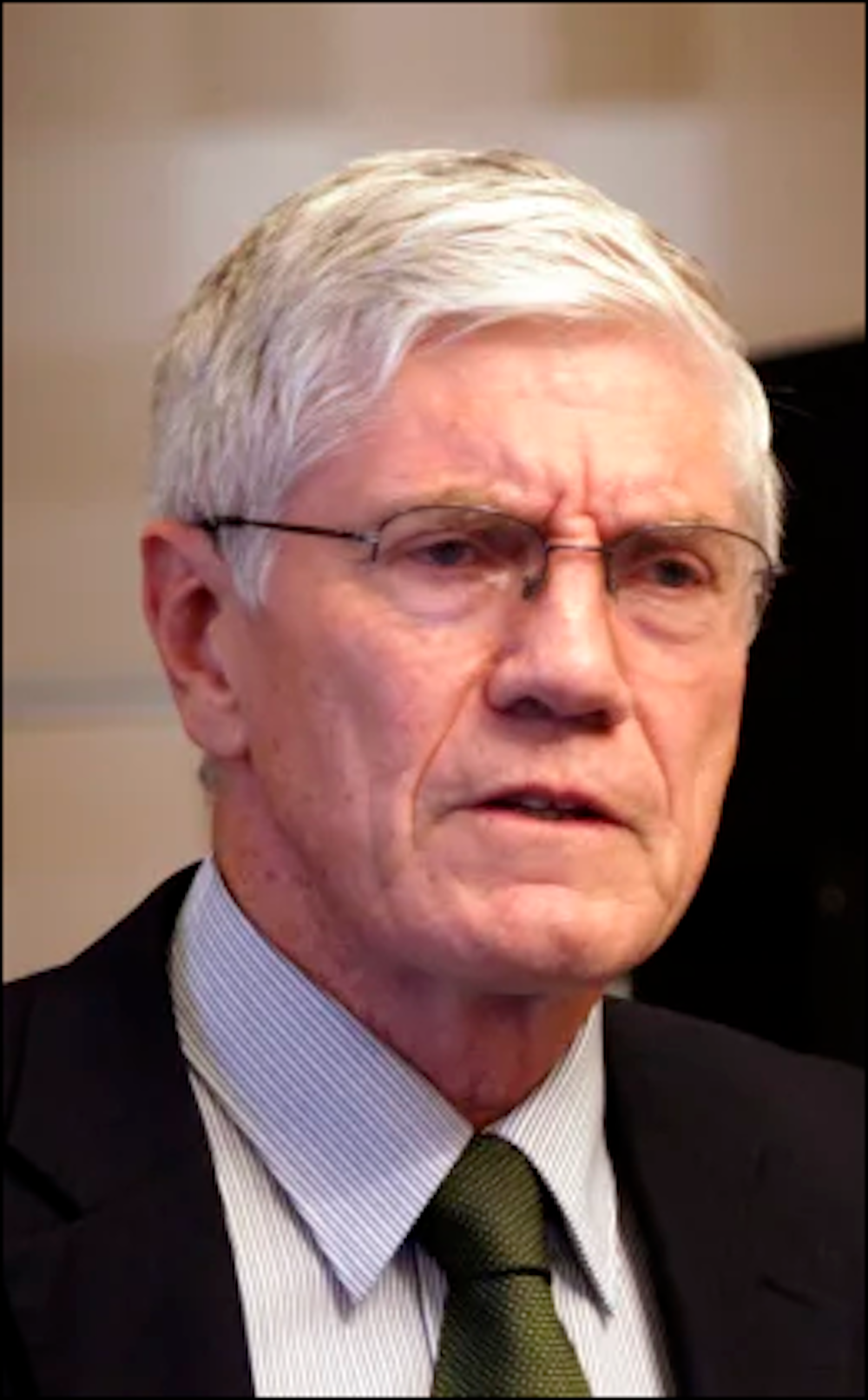
In 2016 Morrison commissioned retired public servant Michael Callaghan to inquire into why the minerals resource tax was raising so little money[19].
Callahan found it well designed for oil, which it was set up to tax in 1988, but poorly designed for gas.
One of the two biggest problems was “uplift[20]”. Profits are taxed after deducting earlier losses. These losses are carried forward using an uplift rate.
For oil projects, the uplift rate on losses doesn’t much matter because they start making profits fairly soon.
Gas projects are much more expensive and take many more years to produce a return, making the uplift rate significant.
Australia applies two uplift rates: the long-term bond rate plus 5% (for general losses), and the long-term bond rate plus 15% (for exploration losses).
So much can the long-term bond rate plus 15% grow over time that Callaghan found it allowed exploration deductions to
almost double every four years, which means that a moderate amount of exploration expenditure can grow into a large tax shield
And firms hang on to the high-uplift deductions, using the low-uplift ones first.
The second big problem is that, whereas with oil it is easy to tell when the oil has been mined and the profit should be taxed, with integrated liquidated natural gas projects, it is hard to tell when the mining stops and the liquefaction starts.
Taxing in the dark
Without an observable final price for the gas before it is liquified, three methods are used – two of them complex and one a private agreement with the tax office.
Callaghan found that if the simpler “netback” method was used, the tax would raise an extra $89 billion[21] between 2023 and 2050 including a “particularly strong” extra $68 billion between 2027 and 2039 at the prices then prevailing.
In his 2018 response Treasurer Josh Frydenberg cut the uplift rates and asked the treasury to review the method of calculating the transfer price. It was to report back “within 12 to 18 months[22]”.
Read more: 4 reasons our gas and electricity prices are suddenly sky-high[23]
For all we know, the treasury did report back, perhaps two years ago[24] in May 2020.
It’s a fair bet our new government will be keener than the old to actually raise more than a couple of billion from the petroleum resource rent tax, especially given the amount now available to tax.
If the extra tax was used to provide relief from high energy prices, Australia’s government could no more be criticised than could Boris Johnson’s in the UK.
And if it merely said it was thinking of properly applying the tax we’ve got, it might find Australia’s gas exporters suddenly more co-operative.
References
- ^ windfall profits tax (www.awu.net.au)
- ^ A$80 billion (images.theconversation.com)
- ^ three times (www.rba.gov.au)
- ^ A$10 a gigajoule (www.accc.gov.au)
- ^ much higher (cdn.theconversation.com)
- ^ $382 (www.afr.com)
- ^ crippling (theconversation.com)
- ^ rather than powering up (cdn.theconversation.com)
- ^ ordered to (reneweconomy.com.au)
- ^ windfall profits tax (www.reuters.com)
- ^ special tax on big banks (images.theconversation.com)
- ^ super-profits (www.abc.net.au)
- ^ oil and gas industry (www.ato.gov.au)
- ^ In the midst of an LNG boom, why are we getting so little for our gas? (theconversation.com)
- ^ $2.4 billion (budget.gov.au)
- ^ $1 billion (treasury.gov.au)
- ^ Tony Wood (www.abc.net.au)
- ^ none (australiainstitute.org.au)
- ^ so little money (images.theconversation.com)
- ^ uplift (treasury.gov.au)
- ^ $89 billion (treasury.gov.au)
- ^ within 12 to 18 months (treasury.gov.au)
- ^ 4 reasons our gas and electricity prices are suddenly sky-high (theconversation.com)
- ^ two years ago (thenewdaily.com.au)
Authors: Peter Martin, Visiting Fellow, Crawford School of Public Policy, Australian National University