The intergenerational report will prepare us for 2063 – but what exactly is it?
- Written by: Michael Woods, Professor of Health Economics, University of Technology Sydney

Treasurer Jim Chalmers is preparing to release the Treasury’s sixth Intergenerational Report[1] on Thursday.
Whereas the first, in 2002, made projections out to 2042, this one will take us beyond the middle of the century, to 2062-63.
Already, Chalmers has spent some of the weekend pre-releasing headline numbers. More on those numbers later.
But first: what is the Intergenerational Report and why do we have it?
What is an intergenerational report?
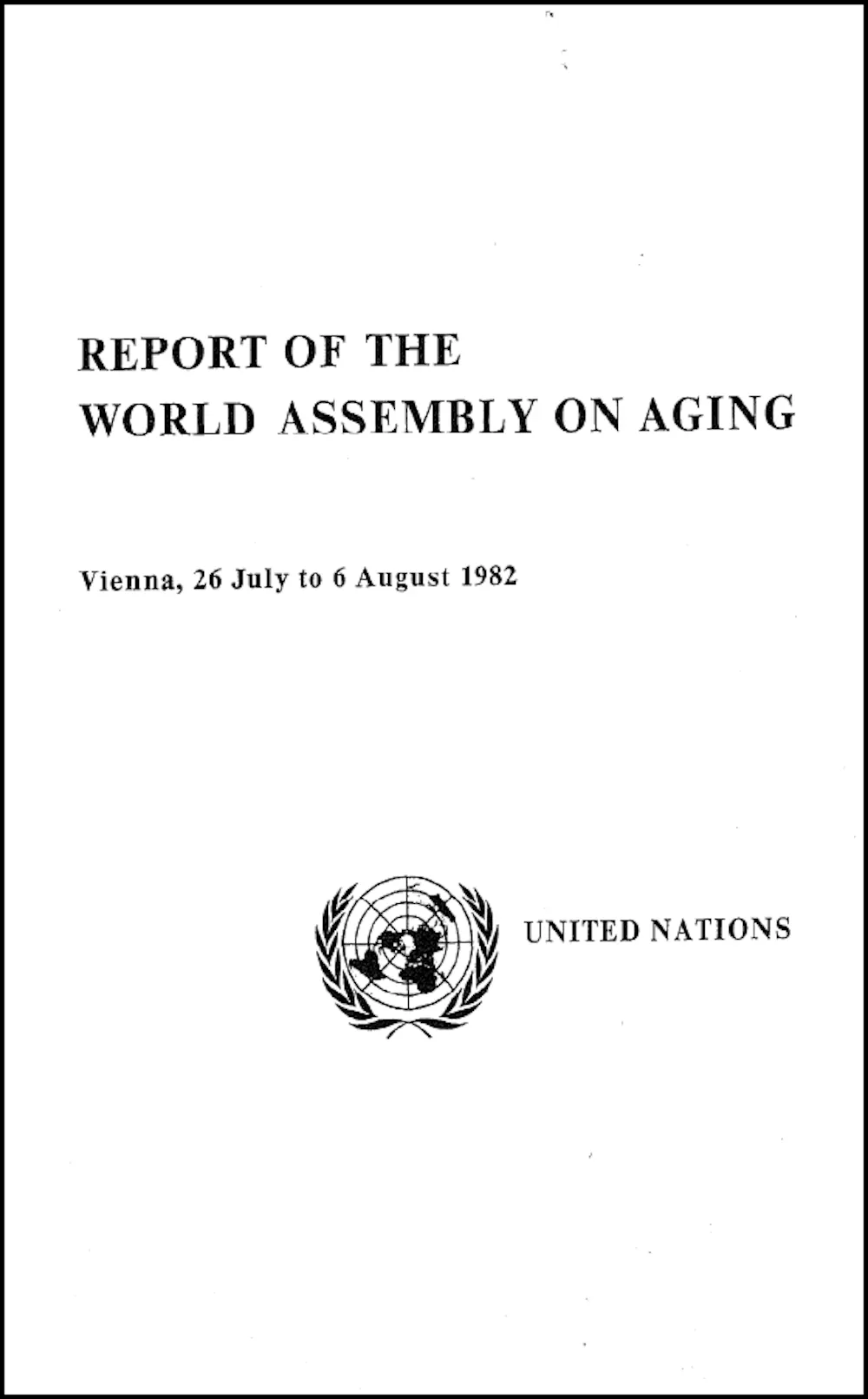
Australia is one of many countries to produce such reports. They had their genesis in the 1980s, when much of the world became concerned that baby boomers (born in the years after the second world war) would be reaching older ages in the second decade of the 21st century.
At that time they would start leaving work and stop paying income tax.
But – and this was important – it was also the time they would also be needing more taxpayer-funded health care and aged care.
 Commonwealth Treasury[5]
Some things included, others not
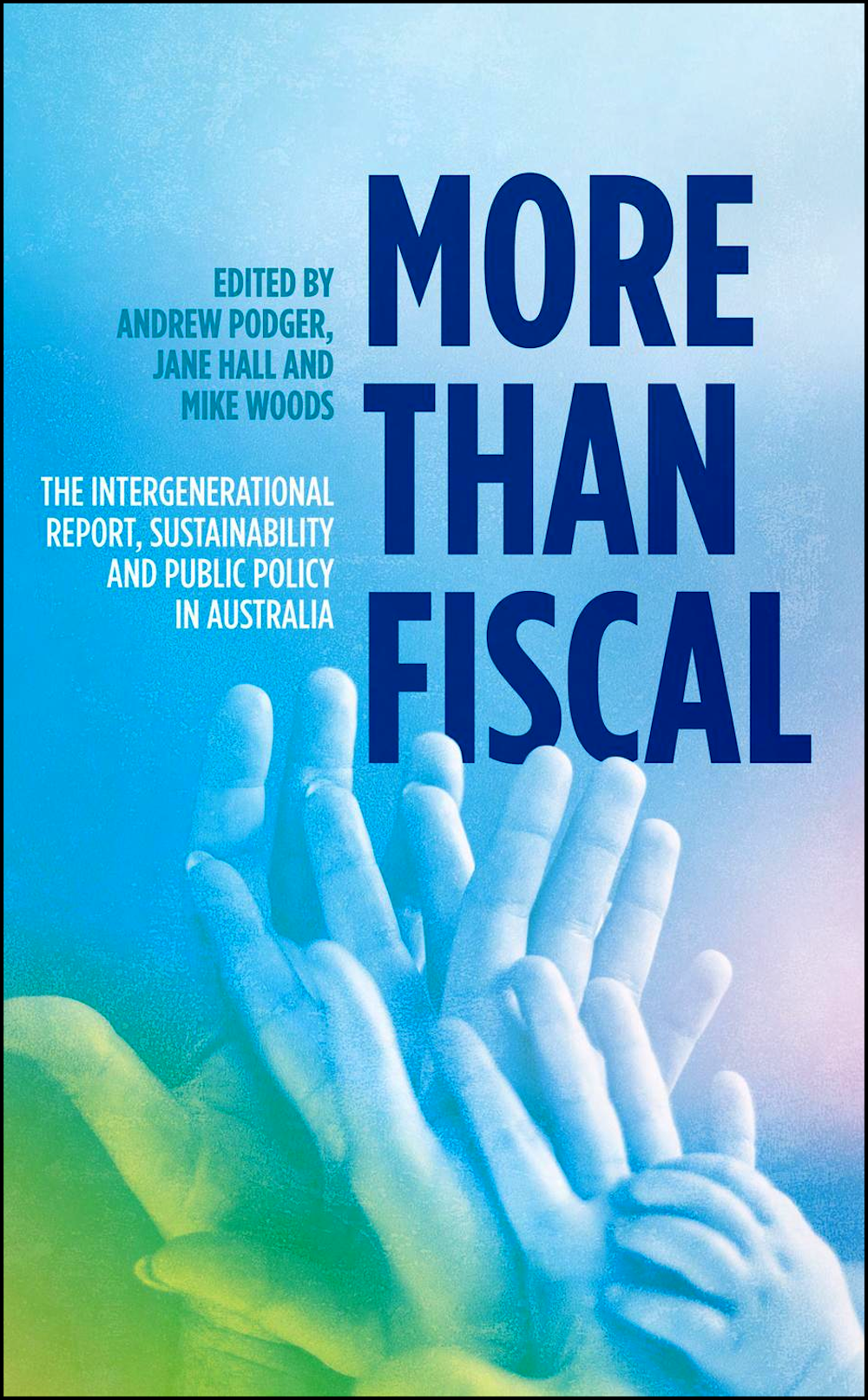
I am one of a number of public policy experts who have just published a book, More than Fiscal[6], analysing the strengths and weaknesses of Australia’s 2021 Intergenerational Report.
Commonwealth Treasury[5]
Some things included, others not
I am one of a number of public policy experts who have just published a book, More than Fiscal[6], analysing the strengths and weaknesses of Australia’s 2021 Intergenerational Report.
 ANU Press, June 2023[7]
While we concluded it had some value, we also identified significant shortcomings.
One was that nearly all of the reports to date have been very narrow in their scope. Many of the issues the public wants addressed have been missing.
Apart from the 2010[8] report, produced by the Rudd Labor government, the reports have included little about climate change, or about such other topics as social and economic inequality, housing availability and affordability.
They have said little about the performance of our cities, life in regional and rural Australia, geopolitical tensions and coping with natural disasters.
One clue that this year’s intergenerational report might be an improvement is Chalmers’ reference at his press conference on Monday[9] to a report that would build our understanding of five big shifts, from
globalisation to fragmentation, from hydrocarbons to renewables, from information technology to artificial intelligence, from younger to older, and what that means them for our industrial base and in particular for a bigger role for the care economy
And yet a flurry of “backgroundings[10]” issued over the weekend have largely served to update data on the topics the report usually covers.
Population growth is projected to slow, but is expected to reach 40 million by the early 2060s. As predicted in previous intergenerational reports, Australia will have a greater proportion of older people.
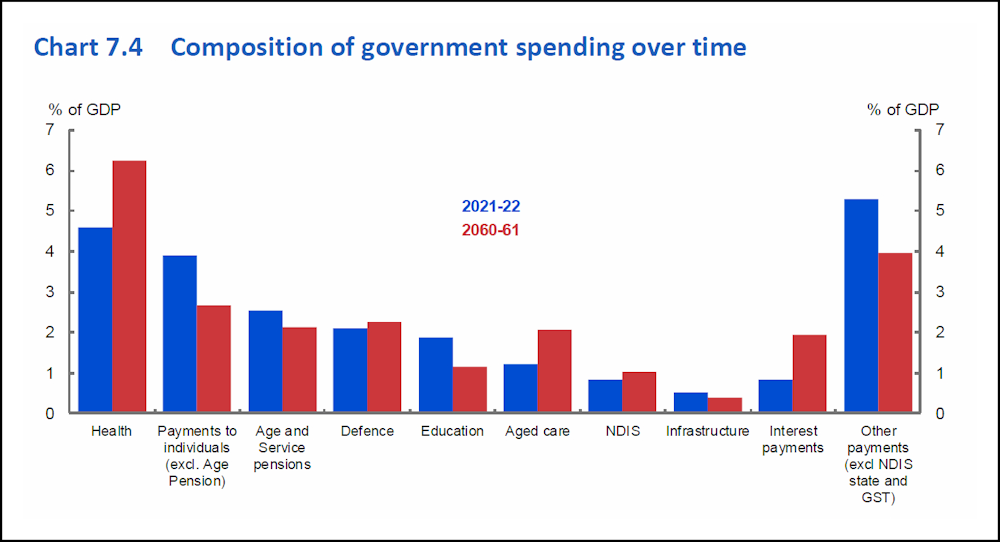
The budget pressures identified in previous reports – health care, aged care, disability care, interest payments and defence spending – are projected to grow from one-third of total Commonwealth government spending today to one-half of all Commonwealth government spending by 2062-63.
The care economy in particular is expected to almost double from around 8% GDP to around 15% in 2062–63. Further pre-announcements are expected over the next few days.
Too political, and still lacking input from Australians
Another serious concern identified by the expert group is that the reports have at times shown a decidedly political bias. In 2015, this went as far as making projections based on the Abbott government’s unlegislated policy and contrasting them with projections made if the policies weren’t adopted.
Yet another is that the reports have been focused on Commonwealth government spending. This is despite Australia being a federation, in which the states and territories play a very significant role – including running hospitals and schools and having responsibility for legislation relating to housing.
There is no sign Treasurer Chalmers will address these concerns this time, despite solutions being fairly easy to implement.
Read more:
Intergenerational reports ought to spark action, as well as scare us[11]
The next intergenerational report will be published in three years, as Chalmers has increased the frequency to once every three years[12]. It would be great if that and future reports were prepared by an independent body, such as the Productivity Commission, and spanned the full range of government activity across all jurisdictions.
A final thought centres on a key role for the intergenerational reports – to generate widespread discussion about the direction Australia is taking.
Why not require the independent body issue a draft report, which could be debated by all parts of society, with that public input taken into account in the final publication?
Thursday’s report has already fallen short of what it could have been, but there will be another one – and fairly soon.
References^ Intergenerational Report (treasury.gov.au)^ United Nations, 1982 (www.un.org)^ long-term fiscal projections (press-files.anu.edu.au)^ Charter of Budget Honesty (www.legislation.gov.au)^ Commonwealth Treasury (treasury.gov.au)^ More than Fiscal (press.anu.edu.au)^ ANU Press, June 2023 (press.anu.edu.au)^ 2010 (treasury.gov.au)^ press conference on Monday (ministers.treasury.gov.au)^ backgroundings (theconversation.com)^ Intergenerational reports ought to spark action, as well as scare us (theconversation.com)^ once every three years (press-files.anu.edu.au)Authors: Michael Woods, Professor of Health Economics, University of Technology Sydney
ANU Press, June 2023[7]
While we concluded it had some value, we also identified significant shortcomings.
One was that nearly all of the reports to date have been very narrow in their scope. Many of the issues the public wants addressed have been missing.
Apart from the 2010[8] report, produced by the Rudd Labor government, the reports have included little about climate change, or about such other topics as social and economic inequality, housing availability and affordability.
They have said little about the performance of our cities, life in regional and rural Australia, geopolitical tensions and coping with natural disasters.
One clue that this year’s intergenerational report might be an improvement is Chalmers’ reference at his press conference on Monday[9] to a report that would build our understanding of five big shifts, from
globalisation to fragmentation, from hydrocarbons to renewables, from information technology to artificial intelligence, from younger to older, and what that means them for our industrial base and in particular for a bigger role for the care economy
And yet a flurry of “backgroundings[10]” issued over the weekend have largely served to update data on the topics the report usually covers.
Population growth is projected to slow, but is expected to reach 40 million by the early 2060s. As predicted in previous intergenerational reports, Australia will have a greater proportion of older people.
The budget pressures identified in previous reports – health care, aged care, disability care, interest payments and defence spending – are projected to grow from one-third of total Commonwealth government spending today to one-half of all Commonwealth government spending by 2062-63.
The care economy in particular is expected to almost double from around 8% GDP to around 15% in 2062–63. Further pre-announcements are expected over the next few days.
Too political, and still lacking input from Australians
Another serious concern identified by the expert group is that the reports have at times shown a decidedly political bias. In 2015, this went as far as making projections based on the Abbott government’s unlegislated policy and contrasting them with projections made if the policies weren’t adopted.
Yet another is that the reports have been focused on Commonwealth government spending. This is despite Australia being a federation, in which the states and territories play a very significant role – including running hospitals and schools and having responsibility for legislation relating to housing.
There is no sign Treasurer Chalmers will address these concerns this time, despite solutions being fairly easy to implement.
Read more:
Intergenerational reports ought to spark action, as well as scare us[11]
The next intergenerational report will be published in three years, as Chalmers has increased the frequency to once every three years[12]. It would be great if that and future reports were prepared by an independent body, such as the Productivity Commission, and spanned the full range of government activity across all jurisdictions.
A final thought centres on a key role for the intergenerational reports – to generate widespread discussion about the direction Australia is taking.
Why not require the independent body issue a draft report, which could be debated by all parts of society, with that public input taken into account in the final publication?
Thursday’s report has already fallen short of what it could have been, but there will be another one – and fairly soon.
References^ Intergenerational Report (treasury.gov.au)^ United Nations, 1982 (www.un.org)^ long-term fiscal projections (press-files.anu.edu.au)^ Charter of Budget Honesty (www.legislation.gov.au)^ Commonwealth Treasury (treasury.gov.au)^ More than Fiscal (press.anu.edu.au)^ ANU Press, June 2023 (press.anu.edu.au)^ 2010 (treasury.gov.au)^ press conference on Monday (ministers.treasury.gov.au)^ backgroundings (theconversation.com)^ Intergenerational reports ought to spark action, as well as scare us (theconversation.com)^ once every three years (press-files.anu.edu.au)Authors: Michael Woods, Professor of Health Economics, University of Technology Sydney