Why Rainwater Tanks Are Becoming Essential For Australian Homes
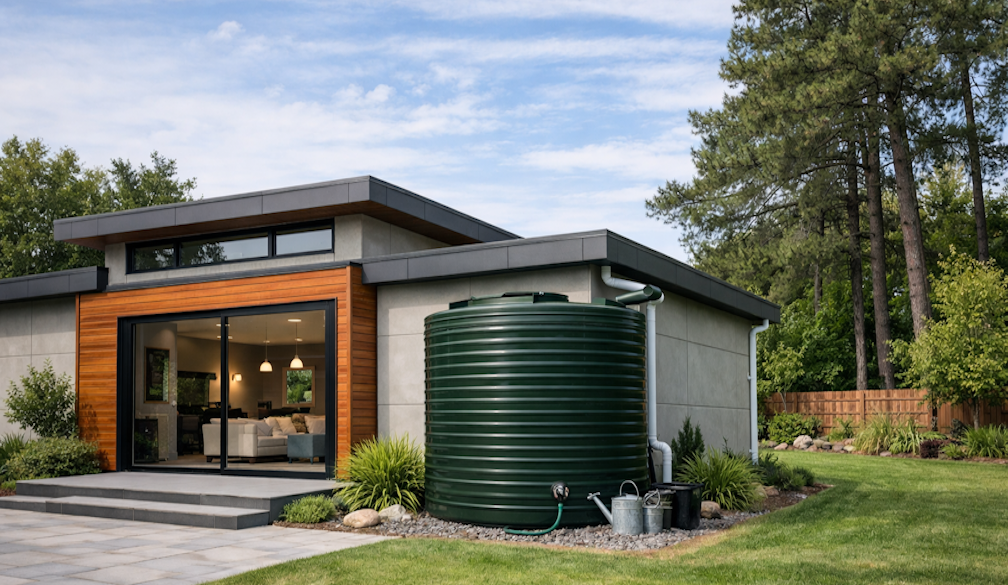
Water conservation has become increasingly important across Australia due to changing weather conditions, rising utility costs, and growing environmental awareness. Many homeowners are now investing in Rainwater Tanks to collect and store rainwater for everyday household and outdoor use. These systems provide a practical way to reduce reliance on mains water while helping households manage water usage more efficiently throughout the year.
Rainwater harvesting is not only beneficial during dry seasons but also helps homeowners make better use of natural rainfall during wetter periods. Stored rainwater can be used for gardens, washing vehicles, outdoor cleaning, flushing toilets, and in some cases even laundry and household supply depending on the filtration system installed.
As Australian households continue focusing on sustainability and long-term cost savings, rainwater tanks remain one of the most practical additions for improving water efficiency around residential and rural properties.
Why Water Conservation Matters More Than Ever
Australia regularly experiences periods of drought and water restrictions, making efficient water management increasingly important for homeowners and businesses. Relying entirely on mains water can become expensive over time, especially for larger households and properties with gardens or outdoor spaces requiring regular watering.
Collecting rainwater helps reduce pressure on public water supplies while giving homeowners an additional water source during periods of lower rainfall. Even moderate rainfall can contribute significant water volumes when collected and stored correctly through properly installed tank systems.
Environmental awareness has also encouraged many people to reduce unnecessary water waste wherever possible. Rainwater harvesting supports more sustainable living by helping households use natural resources more efficiently.
How Rainwater Tanks Support Everyday Household Use
Stored rainwater can be used for a wide variety of household and outdoor purposes. Gardens and lawns often require large amounts of water, particularly during warmer months, and rainwater tanks provide an efficient way to maintain outdoor spaces without relying heavily on mains supply.
Many homeowners also use rainwater for washing cars, cleaning driveways, outdoor maintenance, and flushing toilets. Depending on filtration and plumbing systems, some properties may also integrate rainwater into laundry systems and other non-drinking household uses.
Using stored rainwater for everyday tasks helps reduce overall water consumption while supporting lower utility costs over time.
Why Rainwater Tanks Help Reduce Water Bills
Water costs continue rising across many parts of Australia, encouraging homeowners to focus more heavily on efficient water usage solutions. Rainwater tanks help reduce dependence on mains water by supplying stored rainwater for outdoor and household activities that would otherwise increase utility usage.
Properties with large gardens or outdoor landscaping often benefit significantly because irrigation systems can consume substantial amounts of water during warmer seasons. Using collected rainwater instead helps reduce overall household water expenses while supporting healthier garden maintenance.
Over time, reduced mains water usage may contribute to noticeable long-term savings for homeowners using rainwater collection systems regularly.
How Modern Rainwater Tanks Suit Different Properties
Modern rainwater tanks are available in a wide range of sizes, colours, and designs that suit different property types and available installation spaces. Slimline tanks are especially popular for suburban homes with limited outdoor areas, while larger round tanks remain common on rural and acreage properties requiring higher water storage capacity.
Manufacturers now produce tanks designed to blend more naturally with modern home exteriors and landscaping. Homeowners can often choose colours and styles that complement the appearance of the property while maintaining practical water storage functionality.
Different tank capacities also allow homeowners to choose systems suited to their water usage requirements and local rainfall conditions.
Why Professional Installation Is Important
Proper installation plays a major role in ensuring rainwater tanks operate efficiently and safely over the long term. Professional installers help position tanks correctly to maximise water collection while ensuring stable foundations and suitable plumbing connections.
Gutter systems, overflow management, filtration equipment, and pump installation must all function correctly for the system to perform effectively. Professional installation also helps ensure rainwater collection systems comply with local council regulations and property requirements.
Poor installation may affect water quality, tank stability, or collection efficiency over time, making professional setup an important part of the investment.
How Rainwater Harvesting Supports Sustainability
Sustainability continues becoming a major priority for many Australian households. Collecting and reusing rainwater helps reduce environmental impact by lowering demand on treated mains water supplies and reducing stormwater runoff.
Rainwater harvesting also supports more responsible resource management during periods of drought and water restrictions. Many homeowners view rainwater tanks as a long-term environmental investment that contributes to more sustainable living practices.
Using natural rainfall more effectively also helps reduce unnecessary water waste while improving overall property efficiency.
Why More Australians Are Choosing Rainwater Tanks
As water conservation, rising utility costs, and environmental awareness continue influencing household decisions, more Australians are investing in rainwater harvesting systems for long-term practicality and sustainability.
Rainwater tanks provide homeowners with greater water independence while supporting lower water bills, improved garden maintenance, and more efficient resource usage overall. With modern designs, flexible installation options, and increasing environmental benefits, rainwater tanks remain one of the most valuable additions for homes looking to improve long-term water management and sustainability.