Reliable Air Conditioning Installation for Comfortable Living
- Written by: Weekend Times

When it comes to creating a comfortable indoor environment, having a dependable cooling system is essential—especially during Melbourne’s unpredictable summers. A professional air conditioning installation not only ensures optimal temperature control but also contributes to energy savings, air quality, and the longevity of your system.
What Makes Air Conditioning Installation So Important?
The quality of your air conditioning installation determines how effectively your system performs. Even the most advanced air conditioning unit can underperform or develop problems if it’s not installed correctly. A professional installation ensures that all components are correctly connected, positioned, and calibrated to offer maximum performance and efficiency.
From correct placement of the indoor unit to proper sealing of the refrigerant pipes, every small step in the air conditioning installation process has a significant impact. A reliable setup reduces operational costs, enhances cooling power, and lowers the chances of breakdowns or repairs in the future.
Tailoring the Installation to Your Space
One of the first steps in a successful air conditioning installation is assessing the space. Factors like room size, insulation, sun exposure, and even the building’s layout influence the type and size of system needed. Choosing a system that’s too large or too small can lead to energy waste or insufficient cooling.
Experienced technicians will conduct a site assessment to recommend a model that fits both your space and usage needs. Whether it’s a single-room split system or a larger ducted system, the right approach to air conditioning installation ensures consistent temperature control and improved air circulation.
Benefits of Professional Air Conditioning Installation
A professionally executed air conditioning installation comes with several benefits. The most notable advantage is energy efficiency. Proper positioning of units, secure pipe connections, and correct thermostat settings allow your air conditioner to run efficiently without overworking.
It also leads to better air quality. During the installation process, filters, vents, and drainage are inspected and adjusted to avoid moisture buildup, dust accumulation, or airflow blockages. These small details can make a significant difference in your day-to-day comfort.
The Importance of Licensed Installers
Hiring licensed professionals for your air conditioning installation is not just a matter of quality—it’s also about safety and compliance. Refrigerants used in air conditioners are subject to strict regulations, and improper handling can pose risks to health and the environment.
Licensed installers are trained to handle these substances safely, follow building codes, and issue the necessary compliance certificates. Choosing a qualified team means you’ll have peace of mind knowing the job is done correctly, legally, and safely.
Maintenance Starts at Installation
A long-lasting air conditioning system starts with the right air conditioning installation. From the beginning, it’s important to set up the system in a way that allows for easy maintenance. Clear access to the filters, proper drainage systems, and stable mounting of units help simplify future servicing.
Regular maintenance tasks such as cleaning the filters, checking the refrigerant level, and inspecting the electrical connections become much easier if the system is installed thoughtfully.
Smart Technology Integration
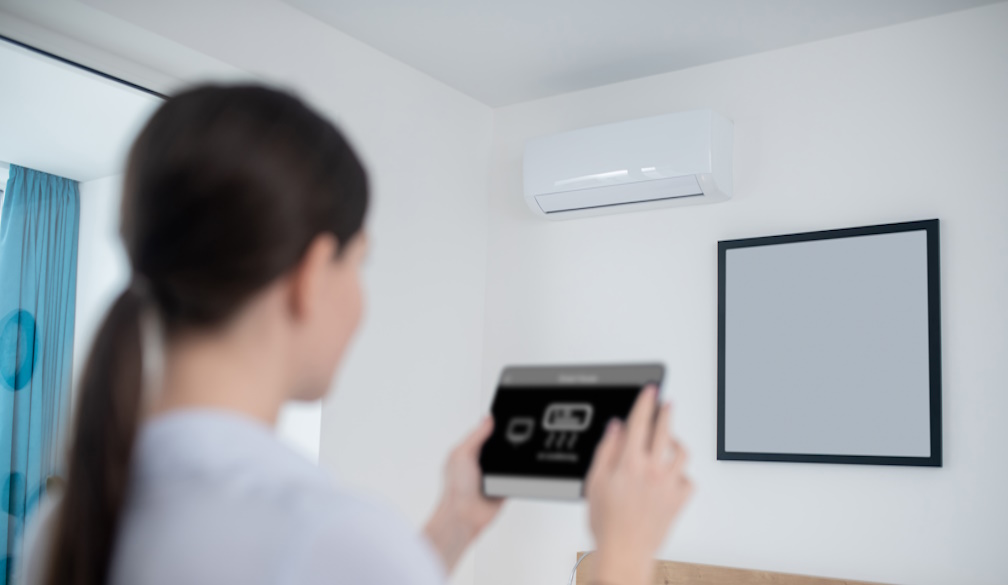
Modern air conditioning installation now includes smart features that give users greater control and convenience. Many systems can be linked to apps, allowing for remote temperature adjustments, scheduling, and energy monitoring.
Integrating smart thermostats during the installation phase also helps improve energy efficiency by learning your patterns and automatically adjusting temperatures. These features are best added during installation, so be sure to discuss smart options with your technician.
Air Conditioning Installation for Melbourne Conditions
Melbourne’s weather can swing from hot to cold in a matter of hours. A professionally planned air conditioning installation ensures your system can handle these changes without constant manual adjustment. By selecting models with both cooling and heating functions, you can enjoy year-round comfort with one unit.
Make sure to choose a provider who understands local conditions and can recommend models that perform reliably in Melbourne’s climate.
Conclusion: Invest in Expert Installation for Lasting Comfort
A well-executed air conditioning installation is the foundation of a comfortable, energy-efficient home or office. It helps your system run smoothly, saves on power bills, and ensures cleaner indoor air. Don’t cut corners with something as important as installation—choose licensed professionals who offer expert service and long-term support.